
-
-
-
Technical Support
-
Understanding Mobile Power Generators: Essential Insights for Professionals
Jun 14,2025
Mobile power generators have become an indispensable tool across various industries, including construction, emergency services, and outdoor events. These generators are designed to provide electricity on the go, ensuring that power is available even in remote locations or during unexpected outages. Understanding the key features and benefits of mobile power generators is essential for professiona
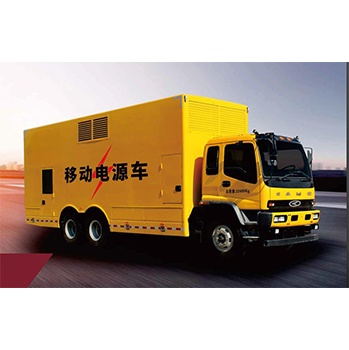
One of the primary advantages of mobile power generators is their portability. Unlike traditional stationary generators, these units are compact and equipped with wheels or handles for easy transportation. This allows users to move the generator to different job sites or locations with minimal effort.
In terms of functionality, mobile power generators can vary widely in capacity and output. It's essential to assess the specific power requirements of your tools and equipment to select a generator that meets those needs. Many mobile generators offer multiple outlets, enabling users to power several devices simultaneously. When considering a mobile power generator, it's crucial to look at its wattage rating to ensure it can handle the load of the equipment you plan to use.
Another critical aspect to consider is fuel type. Mobile power generators typically run on gasoline, diesel, or propane. Each fuel type comes with its own advantages and disadvantages. For instance, gasoline generators are generally more portable and easier to refuel, but they may not provide the same runtime as diesel units. On the other hand, diesel generators are often more fuel-efficient and durable, making them suitable for extended use. Propane generators offer an environmentally friendly option, producing fewer emissions, but may not be as widely available in emergency situations.
Safety is an important consideration when operating mobile power generators. Always follow the manufacturer's guidelines for usage and maintenance. Ensure proper ventilation when running a generator to prevent carbon monoxide buildup, and consider using transfer switches for home backup applications to avoid backfeeding into the electrical grid.
In conclusion, mobile power generators are versatile and essential tools for various professional applications. By understanding their capabilities, fuel types, and safety measures, professionals can make informed decisions that enhance productivity and reliability in their work environments. As industries continue to evolve, the role of mobile power generators will undoubtedly become even more critical, making it essential for professionals to stay informed and prepared.
Related news
Practice Environmental Awareness And Return A Clean Earth
We are committed to providing you with the best products and services. If you have any questions or need more information
Please feel free to contact us
Contact Information
Mobile: +86 131 6216 7888
WhatsApp:+86 18769097586
Email: shengqikeji@sqkj888.com
Add: No. 99, Renmin South Road, Luxi New District, Heze City, Shandong Province


