
-
-
-
Technical Support
-
How to Choose Between Inverter and Conventional Soundproof Generator Sets: A Comprehensive Guide
Jul 23,2025
How to Choose Between Inverter and Conventional Soundproof Generator Sets Table of Contents Understanding Generator Types: Inverter vs Conventional The Importance of Soundproofing in Generators Key Features of Inverter Generators Key Features of Conventional Generators Performance Comparison: Inverter vs Conventional Cost Considerations: Initial Investment vs Long-term Value Applica
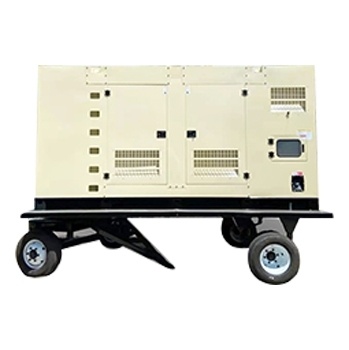
How to Choose Between Inverter and Conventional Soundproof Generator Sets
Table of Contents
- Understanding Generator Types: Inverter vs Conventional
- The Importance of Soundproofing in Generators
- Key Features of Inverter Generators
- Key Features of Conventional Generators
- Performance Comparison: Inverter vs Conventional
- Cost Considerations: Initial Investment vs Long-term Value
- Application Scenarios: Which Generator Suits Your Needs?
- Maintenance and Durability: What to Expect
- Frequently Asked Questions
Understanding Generator Types: Inverter vs Conventional
When it comes to selecting a generator, understanding the key differences between **inverter generators** and **conventional generators** is crucial. Both types have unique characteristics that cater to different needs.
**Inverter generators** convert DC (direct current) to AC (alternating current) and provide steady, clean power suitable for sensitive electronics. They are typically smaller, lighter, and quieter than their conventional counterparts, making them ideal for camping, RV use, or backup power for home electronics.
**Conventional generators**, on the other hand, operate at a fixed speed and produce power directly from the fuel source, making them more suitable for heavy-duty applications. They are generally more powerful and can supply higher wattage, making them popular for construction sites and other high-demand scenarios.
The Importance of Soundproofing in Generators
Soundproofing is a critical consideration when selecting a generator, especially for residential areas or locations where noise pollution is a concern. **Soundproof generators** are designed to minimize operational noise, allowing you to run your generator without disturbing your neighbors or compromising your peace.
Inverter generators often come with built-in soundproofing features, making them inherently quieter. Conventional generators, while powerful, can be noisy and may require additional soundproofing measures if used in sound-sensitive environments.
Key Features of Inverter Generators
Inverter generators boast several compelling features that make them attractive to a wide range of users. Here are some of the key features:
1. Compact and Portable Design
Many inverter generators are designed to be lightweight and compact, which enhances their portability. This makes them perfect for outdoor activities, where mobility is essential.
2. Clean and Stable Power Output
Inverter generators produce a smooth sine wave output, which is safe for sensitive electronics like laptops, smartphones, and medical devices. This feature is particularly important for users who rely on such equipment.
3. Fuel Efficiency
Inverter generators adjust their engine speed based on the load, resulting in improved fuel efficiency. This not only saves money on fuel but also extends the runtime of the generator.
4. Quieter Operation
As mentioned earlier, inverter generators operate at lower noise levels, often between 50 to 60 decibels. This makes them ideal for use in residential neighborhoods or during outdoor gatherings.
Key Features of Conventional Generators
Conventional generators have their own set of advantageous features that cater to specific needs:
1. Higher Power Output
Conventional generators typically offer a higher wattage output, making them suitable for heavy-duty applications such as construction sites or powering multiple appliances during a blackout.
2. Durability and Longevity
These generators are built to withstand rugged conditions and heavy use. With proper maintenance, they can last for many years, providing reliable power whenever needed.
3. Simplicity of Use
Conventional generators usually have a straightforward design and operation process, making them easy to use for those who may not be familiar with advanced technology.
4. Cost-Effective for Heavy Use
While the upfront cost may be higher than that of inverter generators, conventional generators can be more cost-effective for users who require consistent high power output over extended periods.
Performance Comparison: Inverter vs Conventional
When comparing the performance of inverter and conventional generators, several factors should be taken into account:
1. Power Quality
Inverter generators excel in providing high-quality power, ideal for sensitive electronics. In contrast, conventional generators may deliver power that can be inconsistent, affecting the performance of delicate devices.
2. Fuel Consumption
Inverter generators demonstrate superior fuel efficiency due to their ability to adjust engine speed based on load. Conventional generators generally consume more fuel, which could lead to higher operational costs.
3. Noise Levels
Inverter generators operate quietly, often making them suitable for camping and residential applications. Conventional generators, while powerful, can be significantly noisier, making them less suitable for peaceful environments.
4. Run Time
While both types can provide extended run times, inverter generators often have an edge in terms of fuel efficiency per hour.
Cost Considerations: Initial Investment vs Long-term Value
Cost is a significant factor when choosing between inverter and conventional generators. **Inverter generators** tend to have a higher purchase price due to their advanced technology and features. However, their fuel efficiency and low maintenance requirements can result in lower long-term costs.
**Conventional generators**, while initially cheaper, may incur higher operating costs due to increased fuel consumption and maintenance needs. When making a decision, consider both the upfront investment and the long-term value to determine which option aligns with your budget and usage needs.
Application Scenarios: Which Generator Suits Your Needs?
Selecting the right generator depends on your specific application. Here are some scenarios where each type excels:
1. Camping and RV Use
For camping trips or RV use, **inverter generators** are the ideal choice due to their portability, quiet operation, and clean power output.
2. Home Backup Power
Inverter generators can effectively power sensitive home electronics during outages, while conventional generators are better suited for extensive power needs, such as running multiple household appliances.
3. Construction and Heavy-Duty Use
**Conventional generators** shine in construction environments where high wattage is necessary. They can handle tools and equipment that require significant power output without hassle.
4. Events and Outdoor Gatherings
For outdoor events, an **inverter generator** is recommended due to its quiet performance and the ability to safely operate electronics like speakers and lighting.
Maintenance and Durability: What to Expect
Understanding maintenance needs is vital for both inverter and conventional generators:
1. Inverter Generator Maintenance
Inverter generators generally require less maintenance due to their electronic components. Regular oil changes, filter replacements, and keeping the unit clean will ensure longevity.
2. Conventional Generator Maintenance
Conventional generators may require more frequent maintenance and inspections, especially if used in high-demand situations. Regular servicing is essential to ensure optimal performance.
Frequently Asked Questions
1. What is the main difference between inverter and conventional generators?
The primary difference lies in power output quality and efficiency. Inverter generators provide clean, stable power suitable for sensitive devices, while conventional generators deliver higher wattage for heavy-duty applications.
2. Are inverter generators louder than conventional generators?
Typically, inverter generators are quieter than conventional generators, making them more suitable for residential areas and outdoor activities.
3. Can inverter generators power my home during a blackout?
Yes, inverter generators can power home electronics during a blackout, but check the generator’s wattage to ensure it meets your power needs.
4. How long can each type of generator run on a full tank?
The runtime varies based on fuel consumption rate and load. Inverter generators often have longer runtimes due to their fuel efficiency, while conventional generators may run for shorter periods depending on the load.
5. What factors should I consider when purchasing a generator?
Consider your power needs, application scenarios, noise level requirements, maintenance preferences, and budget before making a purchase.
Conclusion
Choosing between **inverter** and **conventional soundproof generator sets** ultimately depends on your specific needs and application scenarios. By understanding the key differences in features, performance, cost, and maintenance, you can make an informed decision that best suits your power requirements. Whether you opt for the quiet efficiency of an inverter generator or the robust power of a conventional generator, ensuring that it meets your needs will lead to a satisfactory investment in your energy solutions.
Related news
Practice Environmental Awareness And Return A Clean Earth
We are committed to providing you with the best products and services. If you have any questions or need more information
Please feel free to contact us
Contact Information
Mobile: +86 131 6216 7888
WhatsApp:+86 18769097586
Email: shengqikeji@sqkj888.com
Add: No. 99, Renmin South Road, Luxi New District, Heze City, Shandong Province


