
-
-
-
Technical Support
-
The Future of Energy: Innovations in Mobile Power Generator Technology
Oct 21,2025
The Future of Energy: Innovations in Mobile Power Generator Technology Table of Contents 1. Introduction to Mobile Power Generators 2. The Importance of Mobile Power Generators in Today’s World 3. Technological Advancements in Mobile Power Generators 4. Sustainability and Efficiency: The Key Drivers 5. Diverse Applications of Mobile Power Generators 6. Integration of Renewable Energy
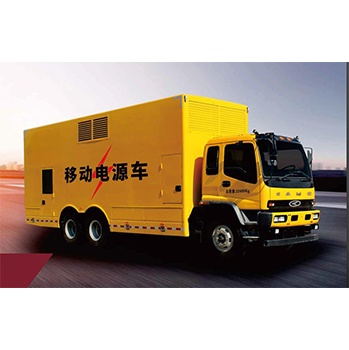
The Future of Energy: Innovations in Mobile Power Generator Technology
Table of Contents
- 1. Introduction to Mobile Power Generators
- 2. The Importance of Mobile Power Generators in Today’s World
- 3. Technological Advancements in Mobile Power Generators
- 4. Sustainability and Efficiency: The Key Drivers
- 5. Diverse Applications of Mobile Power Generators
- 6. Integration of Renewable Energy Sources
- 7. Future Trends in Mobile Power Generation
- 8. Challenges Facing Mobile Power Generators
- 9. Conclusion
- 10. FAQs about Mobile Power Generator Technology
1. Introduction to Mobile Power Generators
Mobile power generators have emerged as a vital component in the evolving landscape of energy solutions. With increasing reliance on electricity across various sectors, the demand for **portable power sources** has surged. These generators provide reliable energy in situations where traditional power sources are unavailable, ensuring that businesses, homes, and emergency services can function seamlessly.
As we dive deeper into this article, we will explore the latest innovations, applications, and future trends in mobile power generator technology. Our focus will encompass the significance of these innovations in meeting energy demands while embracing sustainability.
2. The Importance of Mobile Power Generators in Today’s World
The growing need for **independent energy solutions** has made mobile power generators indispensable. Their importance can be assessed through several key factors:
2.1 Emergency Preparedness
Natural disasters and unforeseen events can lead to power outages that disrupt daily life. **Mobile generators** serve as a crucial backup power source, ensuring communities can maintain essential services during emergencies. They are commonly used by first responders and in shelters, providing electricity for lighting, communication, and medical equipment.
2.2 Industrial Applications
In the industrial sector, mobile generators are frequently employed at construction sites, events, and remote locations. They facilitate ongoing operations by providing temporary power for tools, lighting, and equipment, eliminating delays and enhancing productivity.
2.3 Renewable Integration
As societies strive for greener solutions, mobile power generators are increasingly being integrated with **renewable energy sources**. This hybrid approach allows for greater flexibility and efficiency, enabling users to harness solar, wind, or biomass energy in portable applications.
3. Technological Advancements in Mobile Power Generators
The landscape of mobile power generation is continually evolving. Several technological advancements are transforming the capabilities and efficiency of these generators.
3.1 Advanced Engine Technology
Modern mobile generators feature advanced engine technology that enhances fuel efficiency and performance. Innovations such as variable speed engines and eco-friendly designs minimize fuel consumption and reduce emissions, making them more environmentally friendly.
3.2 Smart Technology Integration
The integration of smart technology is revolutionizing mobile power generators. IoT-enabled devices allow users to monitor performance, control operations remotely, and receive maintenance alerts. This technological leap ensures optimal functioning and proactive management.
3.3 Lightweight Materials
The use of lightweight, durable materials in generator construction improves portability without sacrificing strength or reliability. This innovation makes it easier for users to transport mobile generators to various locations, increasing usability across diverse applications.
4. Sustainability and Efficiency: The Key Drivers
Sustainability has become a central theme in energy production, and mobile power generators are no exception. The focus on eco-friendly solutions is driven by several factors:
4.1 Reducing Carbon Footprint
Mobile generators are increasingly designed to operate with reduced emissions. Leading manufacturers are committed to developing products that meet stringent environmental standards, thereby minimizing their carbon footprint.
4.2 Fuel Efficiency
As fuel prices fluctuate and environmental concerns grow, the demand for **fuel-efficient generators** has intensified. Innovations in engine design and technology have resulted in substantial reductions in fuel consumption, leading to cost savings for users.
4.3 Renewable Energy Utilization
The shift toward renewable energy sources is reshaping mobile power generation. Many new generators are designed to operate alongside solar panels or wind turbines, allowing for a more sustainable energy mix that meets today’s demands.
5. Diverse Applications of Mobile Power Generators
The versatility of mobile power generators enables their use across various fields. Below are some notable applications:
5.1 Construction Sites
At construction sites, mobile generators provide reliable power for tools, lighting, and machinery. They ensure that projects remain on schedule by minimizing downtime due to power shortages.
5.2 Events and Festivals
Outdoor events and festivals require dependable power for lighting, sound systems, and food vendors. Mobile generators are essential for creating a seamless experience for attendees.
5.4 Emergency Services
During disasters, emergency services rely on mobile generators to power rescue operations, medical facilities, and communication systems. These generators are crucial in maintaining operations when traditional power sources are compromised.
6. Integration of Renewable Energy Sources
The future of mobile power generation is closely tied to renewable energy integration. This shift is driven by several factors:
6.1 Hybrid Systems
Hybrid mobile generators that combine conventional fuel with renewable sources can operate efficiently while reducing environmental impact. These systems can switch between power sources, allowing for uninterrupted operation.
6.2 Solar-Powered Generators
The emergence of solar-powered mobile generators reflects the growing interest in sustainability. These generators harness solar energy to provide clean power, making them ideal for off-grid applications.
6.3 Battery Storage Solutions
Incorporating battery storage into mobile generators enhances their functionality. Users can store excess energy generated from renewable sources for later use, improving efficiency and reliability.
7. Future Trends in Mobile Power Generation
As technology and market demands evolve, several trends are likely to shape the future of mobile power generators:
7.1 Increased Automation
Automation and smart technology will play a pivotal role in the future of mobile power generators. Enhanced monitoring systems and AI-driven performance optimization will become standard features, improving efficiency and user experience.
7.2 Greater Focus on Sustainability
As global awareness of environmental issues rises, manufacturers will prioritize sustainable practices in generator design and production. This trend will lead to increased adoption of renewable energy technologies.
7.3 Advancements in Battery Technology
Innovations in battery technology, including faster charging and longer life cycles, will enhance the performance of mobile generators. This development will improve power storage capabilities, allowing for greater reliance on renewable energy sources.
8. Challenges Facing Mobile Power Generators
Despite the advancements, several challenges remain within the mobile power generator sector:
8.1 Regulatory Hurdles
Regulations around emissions and noise levels can complicate the deployment of mobile generators. Manufacturers must navigate these regulations while ensuring compliance and maintaining performance.
8.2 Market Competition
The market for mobile power generators is highly competitive, with numerous manufacturers vying for market share. Companies need to constantly innovate and differentiate their products to stay relevant.
8.3 Consumer Awareness
Consumer knowledge of mobile generators and their capabilities can impact sales. Educating potential users about the benefits and applications of mobile power generators is crucial for market growth.
9. Conclusion
In conclusion, the innovations in mobile power generator technology are shaping the future of energy across various applications. As industries and communities face growing energy demands, the adoption of portable power solutions will become increasingly essential. With advancements in technology, sustainability efforts, and diverse applications, mobile power generators are poised to play a pivotal role in the energy landscape of the future. Continuous research and development will address existing challenges, ensuring that these generators can meet the evolving needs of society while contributing to a greener planet.
10. FAQs about Mobile Power Generator Technology
10.1 What are mobile power generators used for?
Mobile power generators are used for various applications, including emergency power supply, construction sites, outdoor events, and renewable energy integration.
10.2 How do mobile generators work?
Mobile generators convert fuel (such as diesel or gasoline) into electrical energy, providing portable power for various devices and machinery.
10.3 Are mobile generators environmentally friendly?
Many modern mobile generators are designed to operate with reduced emissions and increased fuel efficiency, making them more environmentally friendly than older models.
10.4 Can mobile generators be used with renewable energy sources?
Yes, many mobile generators can operate alongside renewable energy sources, such as solar or wind, either as hybrid systems or by utilizing battery storage.
10.5 What are the benefits of using mobile power generators?
Benefits include portability, reliability during power outages, versatility across applications, and the ability to integrate renewable energy solutions for sustainable power generation.
Related news
Practice Environmental Awareness And Return A Clean Earth
We are committed to providing you with the best products and services. If you have any questions or need more information
Please feel free to contact us
Contact Information
Mobile: +86 131 6216 7888
WhatsApp:+86 18769097586
Email: shengqikeji@sqkj888.com
Add: No. 99, Renmin South Road, Luxi New District, Heze City, Shandong Province


