
-
-
-
Technical Support
-
Mobile Power Generators vs. Traditional Generators: Which is Right for You?
Feb 24,2026
Mobile Power Generators vs. Traditional Generators: Which is Right for You? Table of Contents 1. Introduction to Power Generation 2. Understanding Mobile Power Generators 3. Understanding Traditional Generators 4. Key Differences Between Mobile and Traditional Generators 5. Advantages of Mobile Power Generators 6. Advantages of Traditional Generators 7. Which Generator
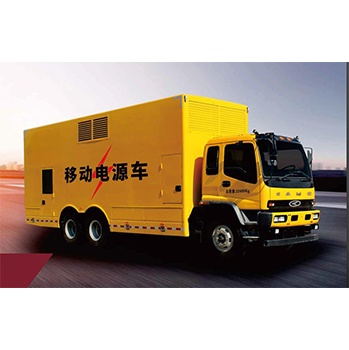
Mobile Power Generators vs. Traditional Generators: Which is Right for You?
Table of Contents
- 1. Introduction to Power Generation
- 2. Understanding Mobile Power Generators
- 3. Understanding Traditional Generators
- 4. Key Differences Between Mobile and Traditional Generators
- 5. Advantages of Mobile Power Generators
- 6. Advantages of Traditional Generators
- 7. Which Generator is Right for You?
- 8. Maintenance and Reliability Considerations
- 9. Cost Analysis: Mobile vs. Traditional Generators
- 10. Frequently Asked Questions
- 11. Conclusion
1. Introduction to Power Generation
In today’s world, reliable power generation is essential for both residential and commercial applications. Whether you’re planning an outdoor event, managing a construction site, or preparing for natural disasters, knowing the differences between mobile power generators and traditional generators can help you make the best choice for your needs. This comprehensive guide delves deep into both types of generators, assessing their advantages, disadvantages, and ideal applications.
2. Understanding Mobile Power Generators
Mobile power generators are compact, portable devices designed to provide power in various settings. They are specifically engineered for mobility and ease of use, often featuring wheels or handles for easy transportation. These generators can be fueled by gasoline, diesel, or propane, and their output can vary, allowing users to select models that fit their power requirements.
2.1 Key Features of Mobile Power Generators
- **Portability**: Designed for easy transport, often featuring wheels and lightweight construction.
- **Fuel Options**: Available in multiple fuel types, including gasoline, diesel, and propane.
- **Versatility**: Suitable for a wide range of applications, from camping to emergency backup.
3. Understanding Traditional Generators
Traditional generators, often referred to as stationary generators, are larger units typically installed at a fixed location. They are commonly used for backup power in homes or businesses and generally provide a higher wattage output compared to portable models. These generators can be powered by various fuels, including natural gas, diesel, or propane, depending on the model.
3.1 Key Characteristics of Traditional Generators
- **Higher Power Output**: Generally capable of supplying more electricity, suitable for larger appliances and systems.
- **Fixed Installation**: Often installed in a permanent location, making them less portable than mobile generators.
- **Automatic Transfer**: Many traditional generators come with an automatic transfer switch that ensures seamless power switching during outages.
4. Key Differences Between Mobile and Traditional Generators
While mobile and traditional generators serve the same fundamental purpose—providing electrical power—there are significant differences to consider:
4.1 Portability
Mobile generators are built for easy transport, making them ideal for outdoor events or temporary power needs. In contrast, traditional generators are stationary, designed for fixed installations.
4.2 Power Output
Traditional generators usually offer higher power output, suitable for powering entire homes or commercial establishments. Mobile generators can provide sufficient power for smaller applications but may fall short for larger appliances.
4.3 Fuel Efficiency
Mobile generators may consume more fuel relative to their output due to their design. Traditional generators, particularly those that run on natural gas, can offer better fuel efficiency, especially during prolonged use.
4.4 Cost Considerations
Mobile generators tend to be less expensive upfront compared to traditional generators, which require a more significant initial investment due to their power capacity and installation requirements.
5. Advantages of Mobile Power Generators
Mobile power generators come with several benefits that make them a popular choice for many users.
5.1 Flexibility and Mobility
The primary advantage of mobile generators is their portability. Users can easily transport them to different locations, making them perfect for events, job sites, or emergency situations.
5.2 Cost-Effectiveness
Mobile generators are often more affordable than traditional units, making them an excellent option for those who need power without breaking the bank.
5.3 Easy Setup
Setting up a mobile generator is typically straightforward, requiring little more than placing the unit in a suitable location and connecting it to appliances.
6. Advantages of Traditional Generators
Traditional generators offer distinct benefits that can outweigh their higher costs and fixed installation.
6.1 Reliability for Continuous Use
Traditional generators are designed for longer operation times, making them ideal for situations where continuous power is vital, such as in hospitals or data centers.
6.2 Higher Power Capacity
With their ability to provide significantly higher wattage, traditional generators can support multiple high-demand appliances simultaneously.
6.3 Automatic Operation
Many traditional generators come with the capability for automatic operation during power outages, ensuring that essential functions remain uninterrupted.
7. Which Generator is Right for You?
Choosing between a mobile power generator and a traditional generator depends on several factors:
7.1 Assessing Your Power Needs
Consider the total wattage required for your appliances. If you need to power larger equipment or multiple devices simultaneously, a traditional generator might be the better choice.
7.2 Frequency of Use
If you frequently move locations or require power temporarily, a mobile generator is likely more advantageous. Conversely, a traditional generator is suitable for fixed power needs.
7.3 Budget Constraints
Evaluate your financial situation. Mobile generators are often more budget-friendly, while traditional generators come with higher upfront costs but can provide long-term savings on fuel and maintenance.
8. Maintenance and Reliability Considerations
Regardless of the type of generator you choose, maintenance is vital for ensuring optimal performance.
8.1 Routine Maintenance for Mobile Generators
Regular checks on oil levels, air filters, and fuel systems can help prolong the life of mobile generators. They require more frequent maintenance due to their portable nature and varied usage conditions.
8.2 Maintenance Needs for Traditional Generators
Traditional generators generally require less frequent maintenance but may necessitate professional servicing, especially if they are powered by natural gas or need complex installations.
9. Cost Analysis: Mobile vs. Traditional Generators
Understanding the total cost of ownership for both mobile and traditional generators is essential for making an informed decision.
9.1 Initial Costs
Mobile generators typically have a lower initial purchase price, ranging from a few hundred to several thousand dollars, depending on the model and power output. Traditional generators usually start at a higher price point due to their greater capacity and installation needs.
9.2 Long-Term Operating Costs
Consider the fuel consumption and maintenance costs associated with each type of generator. Traditional generators may offer better fuel efficiency over time, while mobile generators might incur higher operational costs depending on usage frequency.
9.3 Resale Value
Traditional generators may have a higher resale value due to their durability and long-term reliability, while mobile generators depreciate faster.
10. Frequently Asked Questions
10.1 What type of generator is best for camping?
Mobile generators are usually preferred for camping due to their portability and ease of setup.
10.2 How long can a traditional generator run continuously?
Traditional generators can typically operate continuously for several days, depending on fuel availability and load requirements.
10.3 Are mobile generators noisy?
Mobile generators can be noisy, but many modern models are designed with noise-reduction features to minimize sound levels.
10.4 Can I use a mobile generator as a backup for my home?
Yes, mobile generators can be used as a backup power source for homes, provided they are connected safely and appropriately.
10.5 How often should I perform maintenance on my generator?
Regular maintenance should be performed at least once a year, with more frequent checks for mobile units based on usage.
11. Conclusion
Understanding the differences between mobile power generators and traditional generators is crucial for making an informed decision tailored to your specific needs. **Mobile generators** are ideal for portability and temporary use, while **traditional generators** provide reliable, high-capacity power for long-term use. By assessing your power requirements, budget, and intended applications, you can choose the generator that best meets your needs. Ultimately, whether you require the flexibility of mobile units or the reliability of stationary systems, both types of generators offer unique benefits that can enhance your power generation capabilities.
Related news
Practice Environmental Awareness And Return A Clean Earth
We are committed to providing you with the best products and services. If you have any questions or need more information
Please feel free to contact us
Contact Information
Mobile: +86 131 6216 7888
WhatsApp:+86 18769097586
Email: shengqikeji@sqkj888.com
Add: No. 99, Renmin South Road, Luxi New District, Heze City, Shandong Province


