
-
-
-
Technical Support
-
Comprehensive Guide to Mobile Power Generators: Fuel Types and Efficiency Explained
Aug 12,2026
Mobile Power Generators: A Guide to Fuel Types and Efficiency Table of Contents 1. Introduction to Mobile Power Generators 2. The Importance of Choosing the Right Generator 3. Different Fuel Types for Mobile Power Generators 3.1 Gasoline Generators 3.2 Diesel Generators 3.3 Propane Generators 3.4 Natural Gas Generators
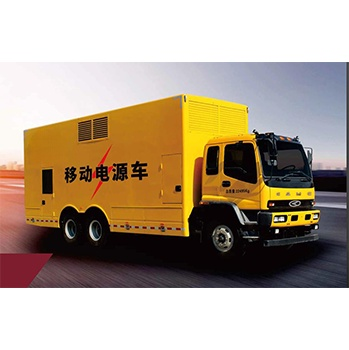
Mobile Power Generators: A Guide to Fuel Types and Efficiency
Table of Contents
- 1. Introduction to Mobile Power Generators
- 2. The Importance of Choosing the Right Generator
- 3. Different Fuel Types for Mobile Power Generators
- 3.1 Gasoline Generators
- 3.2 Diesel Generators
- 3.3 Propane Generators
- 3.4 Natural Gas Generators
- 3.5 Solar Generators
- 4. Evaluating Generator Efficiency
- 5. Tips for Using Mobile Power Generators Efficiently
- 6. Maintenance Practices for Longevity
- 7. Applications of Mobile Power Generators
- 8. Frequently Asked Questions
- 9. Conclusion
1. Introduction to Mobile Power Generators
Mobile power generators are versatile devices that provide electrical energy in various scenarios, from construction sites to outdoor events. Understanding the different fuel types and their efficiencies is crucial for selecting the right generator for your needs. Whether you're looking for a backup power source during outages or a reliable energy supply for off-grid activities, knowing your options will significantly enhance your experience.
2. The Importance of Choosing the Right Generator
Choosing the right mobile power generator can impact usability, efficiency, and cost. A well-suited generator can provide significant savings and efficiency, while the wrong choice may lead to increased fuel consumption and operational issues. We will explore various aspects to consider, ensuring you have a solid foundation to make an informed decision.
3. Different Fuel Types for Mobile Power Generators
Understanding the available fuel types is essential for selecting a mobile power generator that meets your requirements. Each fuel type comes with distinct advantages and disadvantages, influencing factors such as cost, efficiency, and environmental impact.
3.1 Gasoline Generators
Gasoline generators are among the most common types of mobile power generators. They are typically lightweight and easy to use, making them ideal for casual users and small projects.
**Pros:**
- Immediate availability: Gasoline is widely available.
- Lightweight and portable: Easy to transport and set up.
- Cost-effective initial purchase: Generally less expensive than other types.
**Cons:**
- Shorter runtime: Gasoline generators often have smaller fuel tanks, leading to more frequent refueling.
- Fuel volatility: Gasoline can degrade over time, affecting performance.
3.2 Diesel Generators
Diesel generators are known for their durability and efficiency. They are commonly used in commercial applications due to their long runtime and lower fuel consumption.
**Pros:**
- Longer lifespan: Diesel engines are built to last.
- Better fuel efficiency: Diesel engines consume less fuel for the same output.
- Lower emissions: Generally produce fewer carbon emissions compared to gasoline generators.
**Cons:**
- Higher initial cost: Diesel generators may require a larger investment.
- Noise level: They can be noisier than gasoline engines, which may be a concern in residential areas.
3.3 Propane Generators
Propane generators offer an alternative for those seeking cleaner fuel options. They are often used in remote areas where gasoline or diesel may not be available.
**Pros:**
- Clean-burning fuel: Propane produces fewer emissions.
- Longer storage life: Propane does not degrade like gasoline.
- Quiet operation: Generally quieter than gasoline and diesel generators.
**Cons:**
- Higher fuel cost: Propane can be more expensive than gasoline or diesel.
- Limited availability: Propane refueling stations may not be as widespread.
3.4 Natural Gas Generators
Natural gas generators are an excellent choice for users with access to a natural gas line. They provide a constant energy supply at a lower cost.
**Pros:**
- Cost-effective fuel: Natural gas is usually cheaper than gasoline and propane.
- Continuous operation: Ideal for extended use without frequent refueling.
- Lower emissions: Natural gas generators produce fewer pollutants.
**Cons:**
- Infrastructure requirement: Requires a natural gas line, limiting portability.
- Power outages: May not work during a natural gas outage.
3.5 Solar Generators
Solar generators are eco-friendly and increasingly popular among environmentally conscious users. They convert sunlight into electricity, making them an excellent choice for outdoor activities.
**Pros:**
- Renewable energy source: No fossil fuels required.
- Quiet operation: Silent functioning, making them ideal for quiet environments.
- Low maintenance: Minimal moving parts lead to less wear and tear.
**Cons:**
- Weather dependency: Performance can be affected by cloudy weather.
- High initial cost: The investment in solar panels and storage can be significant.
4. Evaluating Generator Efficiency
Generator efficiency is a crucial consideration that influences operational costs and power output. It is typically measured in terms of fuel consumption versus the energy produced.
- **Load Factor:** Understanding the load factor helps in determining how much power you will draw from the generator relative to its capacity.
- **Energy Output:** Look for generators with higher energy output ratings for better efficiency.
- **Fuel Consumption:** Generators with lower fuel consumption rates are often more cost-effective in the long run.
Choosing a generator with higher efficiency will save you money on fuel and reduce the frequency of refueling, enhancing usability.
5. Tips for Using Mobile Power Generators Efficiently
To maximize the efficiency of your generator, consider the following tips:
- **Regular Maintenance:** Follow the manufacturer's maintenance schedule for optimal performance.
- **Use Appropriate Load:** Avoid overloading the generator, which can lead to inefficiency and potential damage.
- **Fuel Quality:** Always use high-quality fuel to prevent clogs and ensure smooth operation.
Implementing these strategies will help you get the most out of your mobile power generator.
6. Maintenance Practices for Longevity
Proper maintenance is vital for extending the lifespan of your mobile power generator.
- **Routine Checks:** Regularly check oil levels, filters, and fuel lines to ensure everything is functioning correctly.
- **Cleanliness:** Keep the generator clean from dust and debris to prevent overheating.
- **Storage:** Store the generator in a dry, protected environment when not in use.
Commit to a maintenance routine to avoid unexpected breakdowns and ensure reliable performance.
7. Applications of Mobile Power Generators
Mobile power generators serve various applications across different sectors:
- **Construction Sites:** Provide power tools and equipment when grid power is unavailable.
- **Outdoor Events:** Supply electricity to stages, lighting, and sound equipment.
- **Emergency Backup:** Serve as backup power sources during outages for homes and businesses.
Understanding your specific needs can guide you in choosing the most suitable generator type for your application.
8. Frequently Asked Questions
What size generator do I need for my needs?
The size of the generator depends on the total wattage of the devices you plan to power. Calculate the wattage requirements of all devices to find the appropriate generator size.
How often should I perform maintenance on my generator?
Regular maintenance should be performed according to the manufacturer's recommendations, typically every 50 to 100 hours of operation.
Can I run my generator all night?
Yes, you can run your generator overnight, but ensure it is properly ventilated to avoid carbon monoxide buildup.
How long can a mobile generator run on a single tank of fuel?
The run time varies based on the generator's size and load, but many gasoline generators can run for 8-12 hours on a single tank under normal conditions.
Are solar generators worth the investment?
Solar generators can be an excellent investment for those seeking renewable energy options, especially for off-grid applications and light usage.
9. Conclusion
In conclusion, mobile power generators are invaluable tools for providing electricity in various scenarios, ranging from construction projects to emergency backup. By carefully considering the different fuel types and their efficiencies, you can select the right generator that fits your needs and maximizes your investment. By implementing proper maintenance practices and usage tips, you can ensure that your generator remains reliable and efficient for years to come. Understanding your options and evaluating your specific requirements will lead to informed choices and improved energy management.
Related news
Practice Environmental Awareness And Return A Clean Earth
We are committed to providing you with the best products and services. If you have any questions or need more information
Please feel free to contact us
Contact Information
Mobile: +86 131 6216 7888
WhatsApp:+86 18769097586
Email: shengqikeji@sqkj888.com
Add: No. 99, Renmin South Road, Luxi New District, Heze City, Shandong Province


