
-
-
-
Technical Support
-
Troubleshooting Your Generator Set: Common Issues and Solutions
Aug 26,2026
Troubleshooting Your Generator Set: Common Issues and Solutions Table of Contents Introduction to Generator Sets Understanding Generator Components Common Generator Set Issues Starting Issues Power Output Issues Overheating Problems Fuel System Issues Electrical Connection Issues Routine Maintenance Tips for Generators Conclusion FAQs Introduction to G
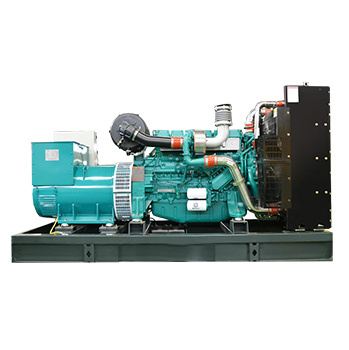
Troubleshooting Your Generator Set: Common Issues and Solutions
Table of Contents
- Introduction to Generator Sets
- Understanding Generator Components
- Common Generator Set Issues
- Starting Issues
- Power Output Issues
- Overheating Problems
- Fuel System Issues
- Electrical Connection Issues
- Routine Maintenance Tips for Generators
- Conclusion
- FAQs
Introduction to Generator Sets
Generator sets (gensets) are vital for providing backup power during outages and ensuring the smooth operation of essential machinery in various applications. Understanding how to troubleshoot common issues can significantly extend the lifespan of your generator and maintain its efficiency. In this comprehensive guide, we will explore prevalent problems encountered with generator sets and present effective solutions.
Understanding Generator Components
Before delving into troubleshooting techniques, it is essential to familiarize ourselves with the key components of a generator set:
1. Engine
The engine is the heart of the generator, responsible for converting fuel into mechanical energy.
2. Alternator
The alternator converts mechanical energy into electrical energy, allowing the generator to supply power.
3. Control Panel
The control panel houses essential controls and displays, providing crucial information such as voltage levels and running hours.
4. Fuel System
The fuel system stores and delivers the fuel to the engine, playing a critical role in the generator's operation.
5. Cooling System
This system prevents the generator from overheating by dissipating excess heat generated during operation.
6. Exhaust System
The exhaust system vents harmful gases produced during combustion, ensuring safe operation.
Understanding these components is crucial for effective troubleshooting and maintenance. With this knowledge, we can now explore the common issues that arise with generator sets.
Common Generator Set Issues
Generator sets, regardless of their type or size, may experience various issues over time. Identifying these problems early on can prevent costly repairs and ensure seamless operation. Below are some common issues that users may encounter:
1. Starting Issues
One of the most frustrating problems is when a generator fails to start. This can stem from several factors:
1.1 Battery Problems
A weak or dead battery can prevent the generator from starting. Regularly check the battery's charge and connections.
1.2 Faulty Starter Motor
If the starter motor is malfunctioning, the engine won't turn over. Inspect the motor for wear and replace if necessary.
1.3 Fuel Supply Issues
Insufficient fuel reaching the engine can hinder starting. Ensure the fuel tank has an adequate supply and check for clogs in the fuel line.
2. Power Output Issues
Sometimes, generators may not produce the expected power output. This could be due to:
2.1 Load Imbalance
Unevenly distributed loads can lead to power output fluctuations. Check and balance the load across the generator.
2.2 Voltage Regulator Malfunction
A faulty voltage regulator can result in inconsistent voltage levels. Inspect and replace if necessary.
3. Overheating Problems
Overheating can severely damage a generator's components. Common causes include:
3.1 Insufficient Coolant
Low coolant levels can lead to overheating. Regularly check and refill the coolant to maintain the optimal level.
3.2 Blocked Cooling Vents
Debris blocking cooling vents can impede airflow. Ensure the vents are clean and free of obstructions.
4. Fuel System Issues
Problems within the fuel system can severely affect generator performance. Key areas to inspect include:
4.1 Clogged Fuel Filter
A clogged fuel filter can restrict fuel flow. Regularly replace the fuel filter to ensure smooth operation.
4.2 Fuel Contamination
Contaminated fuel can cause engine performance issues. Always use clean fuel and check the tank for impurities.
5. Electrical Connection Issues
Electrical issues can disrupt power flow. Common electrical problems include:
5.1 Loose Connections
Loose or corroded connections can hinder electrical flow. Regularly inspect and tighten connections.
5.2 Faulty Wiring
Damaged or frayed wiring can lead to short circuits. Inspect the wiring harness for any signs of wear or damage.
Routine Maintenance Tips for Generators
To prevent issues from arising, routine maintenance is essential. Here are some tips to keep your generator in optimal condition:
1. Regular Oil Changes
Change the oil according to the manufacturer’s recommendations. Fresh oil ensures smooth engine operation and prolongs its life.
2. Clean or Replace Air Filters
Clean air filters prevent dust and debris from entering the engine. Replace them regularly to maintain optimal airflow.
3. Inspect Belts and Hoses
Examine belts and hoses for signs of wear or damage. Replace any that show signs of deterioration.
4. Battery Maintenance
Keep the battery clean and fully charged. Regularly check the terminals for corrosion and ensure a secure connection.
5. Test Run Periodically
Perform test runs monthly to ensure your generator is functioning correctly. This will help identify potential issues before they become serious problems.
Conclusion
Troubleshooting your generator set is crucial for ensuring its reliability and longevity. By understanding common issues and implementing effective solutions, you can maintain optimal performance and prevent unexpected breakdowns. Regular maintenance is equally important to keep your generator running efficiently. With the knowledge and tips provided in this guide, you can confidently troubleshoot and maintain your generator set.
FAQs
1. How often should I perform maintenance on my generator?
Routine maintenance should be performed quarterly, with oil changes and filter replacements according to the manufacturer's recommendations.
2. What should I do if my generator won’t start?
Check the battery, fuel supply, and starter motor. Troubleshooting these components will likely resolve the starting issue.
3. Can I use my generator during inclement weather?
It's best to avoid using a generator during severe weather. Ensure it’s in a dry location and avoid running it in wet conditions.
4. How do I know if my generator is overloaded?
If the generator is frequently tripping its circuit breaker or showing fluctuating power levels, it may be overloaded.
5. What are the signs of a failing voltage regulator?
Common signs include inconsistent voltage output, flickering lights, or frequent tripping of circuit breakers.
By following this guide, you can troubleshoot and maintain your generator set effectively, ensuring optimal performance and reliability for all your power needs.
Related news
Practice Environmental Awareness And Return A Clean Earth
We are committed to providing you with the best products and services. If you have any questions or need more information
Please feel free to contact us
Contact Information
Mobile: +86 131 6216 7888
WhatsApp:+86 18769097586
Email: shengqikeji@sqkj888.com
Add: No. 99, Renmin South Road, Luxi New District, Heze City, Shandong Province


