
-
-
-
Technical Support
-
Exploring the Versatility of Mobile Power Generators in Emergency Situations
Jul 27,2025
Exploring the Versatility of Mobile Power Generators in Emergency Situations In today’s fast-paced world, power outages can occur unexpectedly due to severe weather conditions, equipment failures, or natural disasters. In such critical moments, **mobile power generators** emerge as indispensable tools, providing immediate and reliable energy solutions. This article delves into the various aspects
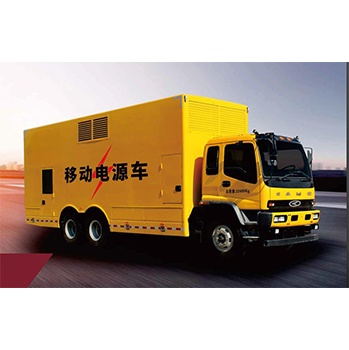
Exploring the Versatility of Mobile Power Generators in Emergency Situations
In today’s fast-paced world, power outages can occur unexpectedly due to severe weather conditions, equipment failures, or natural disasters. In such critical moments, **mobile power generators** emerge as indispensable tools, providing immediate and reliable energy solutions. This article delves into the various aspects of mobile power generators, focusing on their versatility in emergency situations, the different types available, and their essential role in ensuring safety and comfort during power failures.
Table of Contents
- What Are Mobile Power Generators?
- The Importance of Mobile Power Generators in Emergencies
- Types of Mobile Power Generators
- Applications of Mobile Power Generators
- How to Choose the Right Mobile Generator for Your Needs
- Maintenance Tips for Mobile Power Generators
- Safety Precautions When Using Generators
- Conclusion
- FAQs
What Are Mobile Power Generators?
Mobile power generators are portable devices designed to convert mechanical energy into electrical energy, providing power in locations where the grid is unavailable or unreliable. These generators come in various sizes and capacities, making them suitable for a range of applications, from powering small appliances to serving as backup power for entire homes or facilities.
In emergency scenarios, the ability to quickly deploy a generator can mean the difference between safety and chaos. Mobile generators typically run on gasoline, diesel, propane, or natural gas, and they can be easily transported to various sites as needed.
The Importance of Mobile Power Generators in Emergencies
When emergencies strike, having a mobile power generator can be a game-changer.
1. Reliable Power Supply
In the wake of a natural disaster or during a power outage, access to a reliable power supply is crucial. Mobile generators ensure that essential systems—like medical devices, heating, and refrigeration—remain operational, safeguarding health and safety.
2. Versatility in Usage
These generators can power a myriad of devices and appliances, from lights and computers to HVAC systems. Their versatility makes them ideal for residential, commercial, and industrial applications.
3. Enhanced Safety Measures
Using a mobile generator in emergencies can significantly reduce the risk of dangerous situations, such as carbon monoxide poisoning from using gas stoves or candles for light.
Types of Mobile Power Generators
Understanding the different types of mobile power generators is essential for selecting the right one for your needs.
Portable Generators
Portable generators are compact, easily transportable, and typically run on gasoline. They are perfect for short-term use, making them popular during camping trips or outdoor events. These generators are also effective in providing backup power during brief outages.
Inverter Generators
For those needing a more sophisticated option, inverter generators supply cleaner and more stable power. They are quieter and more fuel-efficient than traditional portable generators, making them an excellent choice for sensitive electronic devices.
Standby Generators
Standby generators are permanently installed and connected to the home’s electrical system. They automatically kick in during power failures, providing seamless power without user intervention. While typically more expensive, their convenience and reliability make them worthwhile for those seeking a long-term solution.
Applications of Mobile Power Generators
Mobile power generators serve various applications, making them highly versatile in emergencies.
1. Home Backup Power
In residential settings, mobile generators can back up essential appliances such as refrigerators, medical equipment, and heating systems, ensuring family safety and comfort during outages.
2. Construction Sites
Construction projects often require temporary power sources. Mobile generators provide necessary electricity for tools, lighting, and other equipment, keeping projects on schedule even when grid power is unavailable.
3. Events and Festivals
Outdoor events and festivals frequently depend on mobile generators to supply power for lighting, sound systems, and food vendors, creating enjoyable experiences for attendees.
4. Emergency Services
First responders and emergency services utilize mobile generators to power communication equipment, medical devices, and lights, enabling them to operate effectively during crises.
How to Choose the Right Mobile Generator for Your Needs
Selecting the right mobile generator requires careful consideration of several factors:
1. Power Requirements
Assess your power needs by calculating the wattage required to run essential appliances. Look for a generator that meets or exceeds this total for optimal performance.
2. Fuel Type
Consider the availability of fuel types in your area. Gasoline generators are common; however, diesel models can offer better fuel efficiency for larger power needs.
3. Portability
Evaluate how often you’ll need to move the generator. If portability is crucial, opt for a lightweight, compact model with wheels for easier transport.
4. Noise Level
For residential use or events, noise levels can be a concern. Inverter generators are generally quieter and more suitable for these settings.
5. Budget
Establish a budget that balances upfront costs with the long-term benefits of reliability and efficiency. Investing in a quality generator can lead to savings in emergency situations.
Maintenance Tips for Mobile Power Generators
Proper maintenance is crucial for ensuring your mobile generator operates effectively when needed. Here are essential maintenance tips:
1. Regular Inspections
Inspect your generator regularly for any signs of wear or damage. Look for leaks, corroded parts, and other issues that could affect performance.
2. Change the Oil
Consistent oil changes are vital for engine longevity. Check the manufacturer’s recommendations for the optimal oil change interval.
3. Clean the Air Filter
A clean air filter ensures optimal airflow to the engine. Replace or clean the air filter according to the manufacturer’s instructions.
4. Fuel Maintenance
If the generator will not be used for an extended period, consider adding a fuel stabilizer to prevent degradation. Always use fresh fuel to maintain efficiency.
5. Battery Care
For electric start generators, ensure the battery is charged and functioning. Test the battery regularly and replace it if necessary.
Safety Precautions When Using Generators
While mobile generators are useful, they come with safety risks. Adhering to safety precautions can mitigate these risks:
1. Proper Ventilation
Operate generators outside and away from windows and doors to prevent carbon monoxide poisoning.
2. Avoid Overloading
Don’t overload the generator by connecting too many devices. Refer to the generator’s wattage rating to ensure safe usage.
3. Use Ground Fault Circuit Interrupters (GFCIs)
Using GFCIs can help prevent electrical shocks, particularly in wet conditions.
4. Store Fuel Safely
Store fuel in approved containers away from heat sources and out of reach of children.
5. Regular Training
Ensure that all users are trained in the safe operation of the generator and understand its features and limitations.
Conclusion
Mobile power generators serve as essential tools during emergencies, providing reliable power solutions that enhance safety and comfort. With various types available, it is important to select the right generator based on specific needs and applications. Regular maintenance and adherence to safety precautions are critical in ensuring that these generators operate effectively when most needed.
By understanding the versatility and importance of mobile generators, individuals and businesses can be better prepared for unexpected power outages, ensuring readiness and peace of mind in times of crisis.
FAQs
1. What is the best type of generator for home use during emergencies?
The best type of generator for home use is typically a standby generator, as it provides seamless power during outages. However, portable generators are also effective for short-term needs.
2. How do I determine the wattage I need for my generator?
Calculate the total wattage required by adding the wattage of all devices you plan to power. Choose a generator that meets or exceeds this total.
3. How often should I perform maintenance on my generator?
Routine maintenance checks should be performed every few months or as recommended by the manufacturer. Regular oil changes and inspections are crucial.
4. Can I use my generator indoors?
No, generators should never be used indoors or in enclosed spaces due to the risk of carbon monoxide poisoning.
5. What fuel is best for a mobile generator?
The best fuel type depends on your specific needs and availability. Gasoline is common, but diesel and propane offer longer storage life and efficiency.
Related news
Practice Environmental Awareness And Return A Clean Earth
We are committed to providing you with the best products and services. If you have any questions or need more information
Please feel free to contact us
Contact Information
Mobile: +86 131 6216 7888
WhatsApp:+86 18769097586
Email: shengqikeji@sqkj888.com
Add: No. 99, Renmin South Road, Luxi New District, Heze City, Shandong Province


