
-
-
-
Technical Support
-
Essential Insights into Mobile Power Generators: A Professional Overview
Jul 28,2025
Mobile power generators, often known as portable generators, serve a pivotal role in various industries, particularly in the electrical field. These devices provide a reliable source of electricity when conventional power sources are unavailable, making them essential for both temporary and emergency applications. Available in various sizes and capacities, mobile power generators are designed to m
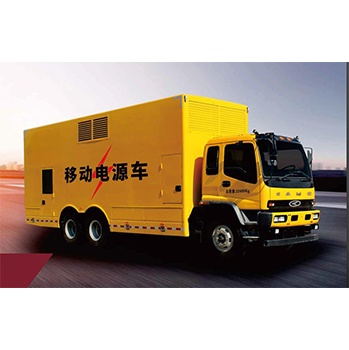
One key feature of mobile power generators is their versatility. They are commonly used in construction sites, outdoor events, disaster recovery operations, and remote locations where electrical infrastructure may be lacking. This flexibility allows professionals from different sectors, such as construction, event management, and emergency services, to harness power effectively, regardless of their location.
Understanding how mobile power generators operate is crucial for effective usage. These generators typically utilize either gasoline, diesel, or propane as fuel sources. The choice of fuel can impact the generator's efficiency, runtime, and power output. For instance, diesel-powered generators are known for their durability and longer operational hours, making them suitable for extended use. In contrast, gasoline generators are often lighter and more portable, catering to temporary needs.
Moreover, mobile power generators come with various output options, including AC and DC power. AC output is commonly used to power household appliances and tools, while DC output is essential for charging batteries or powering devices with direct current requirements. Understanding these options allows professionals to select the right generator for their specific applications, ensuring they meet their power demands effectively.
Safety is another critical aspect to consider when using mobile power generators. Professionals should be aware of the importance of ventilation, as these machines can produce harmful carbon monoxide gases. It’s essential to operate generators outdoors and away from windows and doors to minimize risk. Additionally, utilizing appropriate extension cords and ensuring secure connections can prevent electrical hazards.
In conclusion, mobile power generators are indispensable tools for professionals across various sectors. Their ability to provide reliable, portable power solutions makes them valuable assets, particularly in situations where access to traditional electricity is restricted. By understanding their functionalities, applications, and safety considerations, professionals can maximize the benefits of mobile power generators in their projects, ultimately enhancing productivity and ensuring operational continuity.
Related news
Practice Environmental Awareness And Return A Clean Earth
We are committed to providing you with the best products and services. If you have any questions or need more information
Please feel free to contact us
Contact Information
Mobile: +86 131 6216 7888
WhatsApp:+86 18769097586
Email: shengqikeji@sqkj888.com
Add: No. 99, Renmin South Road, Luxi New District, Heze City, Shandong Province


