
-
-
-
Technical Support
-
Choosing the Right Mobile Power Generator: A Comprehensive Buyer’s Guide
Jul 29,2025
Choosing the Right Mobile Power Generator: A Comprehensive Buyer’s Guide When it comes to ensuring a steady supply of electricity in various situations, mobile power generators stand out as invaluable tools. Whether you're planning a camping trip, preparing for an outdoor event, or need backup power during emergencies, choosing the right mobile power generator is essential. This comprehensive buye
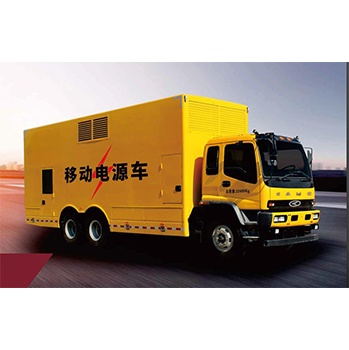
Choosing the Right Mobile Power Generator: A Comprehensive Buyer’s Guide
When it comes to ensuring a steady supply of electricity in various situations, mobile power generators stand out as invaluable tools. Whether you're planning a camping trip, preparing for an outdoor event, or need backup power during emergencies, choosing the right mobile power generator is essential. This comprehensive buyer's guide delves deep into the fundamental aspects of selecting a generator that meets your unique requirements.
Table of Contents
- Understanding Power Generators
- Types of Mobile Power Generators
- Key Features to Consider
- Calculating Your Power Needs
- Fuel Options for Generators
- Noise Levels and Portability
- Maintenance Tips for Generators
- Top Mobile Generators on the Market
- FAQs
Understanding Power Generators
A power generator functions as a machine that converts mechanical energy into electrical energy. This conversion often comes from engines fueled by gasoline, diesel, or alternative energy sources. Mobile power generators are compact, portable units designed for versatility in various settings, allowing users to power tools, appliances, and devices when access to the electrical grid is unavailable.
Types of Mobile Power Generators
Understanding the different types of mobile power generators can help you make a more informed decision. Here are the main categories:
1. Portable Gasoline Generators
Gasoline generators are widely used due to their affordability and availability. They are perfect for temporary power needs, such as during camping trips or power outages at home.
2. Diesel Generators
Diesel generators are known for their durability and fuel efficiency. They are often used in construction sites or for powering larger appliances and machinery.
3. Inverter Generators
Inverter generators produce clean and stable electricity, making them ideal for sensitive electronics, such as laptops and smartphones. They are also quieter than traditional generators.
4. Solar Generators
Solar generators harness solar energy and convert it into electricity. They are environmentally friendly and can be used for camping or off-grid living, but they may have limited power output.
Key Features to Consider
When choosing a mobile power generator, several key features should be factored into your decision-making process:
1. Power Output
The generator's wattage determines how much electrical load it can handle. Assess your power needs carefully to choose a generator that can support all your devices.
2. Runtime
Runtime indicates how long the generator can operate on a single tank of fuel. Look for models with excellent fuel efficiency and longer runtimes, especially if you anticipate extended use.
3. Portability
Consider the weight and design of the generator. Features like wheels, handles, and compact size enhance portability and ease of transportation.
4. Noise Levels
Noise levels vary among different models. If you plan to use your generator in residential areas or at campsites, consider choosing a quieter inverter generator.
5. Outlets and Compatibility
Check the number and types of outlets available. Ensure that the generator can accommodate the devices and appliances you plan to power.
Calculating Your Power Needs
Before purchasing a generator, it’s crucial to determine your power requirements. Follow these steps to calculate your needs:
1. List Your Devices
Make a list of all the devices you plan to power, including their wattage requirements. Common appliances include refrigerators, lights, and power tools.
2. Add Up Wattage
Sum the wattage of all devices to find your total wattage requirement. Consider starting watts (the initial power needed to start devices) versus running watts (the power needed to keep them running).
3. Factor in Additional Needs
Include a safety margin to accommodate unexpected power needs. As a general rule, add 20% to your total wattage to ensure your generator can handle the load.
Fuel Options for Generators
The type of fuel you choose can affect your generator's performance, cost-efficiency, and environmental impact. Here’s a breakdown of common fuel options:
1. Gasoline
Gasoline generators are popular due to their widespread availability. However, they can be less fuel-efficient and may require more frequent refueling.
2. Diesel
Diesel generators are known for their longevity and fuel efficiency, making them suitable for heavy-duty applications.
3. Propane
Propane generators are clean-burning and can be used in various environments. They can be stored for long periods without the degradation associated with gasoline.
4. Natural Gas
Natural gas generators are often used for permanent installations, providing a continuous fuel supply. They are ideal for homes equipped with natural gas lines.
Noise Levels and Portability
The noise produced by a generator can significantly impact your comfort and the comfort of those around you.
1. Understanding Decibels (dB)
Generators produce sound measured in decibels (dB). For comparison, a normal conversation is about 60 dB, while most residential generators range from 60 to 75 dB. Inverter generators typically operate at lower levels, around 50 dB.
2. Choosing a Quiet Generator
If noise levels are a concern, opt for an inverter generator or a model specifically designed to operate quietly. These are particularly beneficial for camping, outdoor events, or residential use.
3. Portability Features
When considering portability, look for features such as wheels, lightweight construction, and foldable handles. This ensures ease of movement, especially if you plan to transport the generator frequently.
Maintenance Tips for Generators
Proper maintenance is essential to prolong the life of your mobile power generator. Here are some crucial maintenance tips:
1. Regular Oil Changes
Change the oil regularly according to the manufacturer’s guidelines. This keeps the engine lubricated and functioning efficiently.
2. Clean or Replace Air Filters
Check the air filters and clean or replace them as needed to ensure optimal airflow and performance.
3. Inspect Fuel System
Periodically inspect the fuel system for leaks and ensure that you’re using fresh fuel. Stale fuel can cause starting issues.
4. Run the Generator Periodically
Even if you’re not using your generator, run it every few months to keep the engine lubricated and functioning properly.
Top Mobile Generators on the Market
To help you in your quest for the perfect mobile generator, here are some highly rated models in the current market:
1. Honda EU2200i Inverter Generator
Renowned for its reliability, the Honda EU2200i offers 2200 watts of power, operates quietly at 48 dB, and is highly portable.
2. Champion 3100-Watt RV Ready Portable Inverter Generator
This generator is ideal for RVs, providing a clean power output of 3100 watts, along with a runtime of up to 8 hours on a full tank.
3. Westinghouse WGen7500 Portable Generator
With a powerful 7500 watts, the Westinghouse generator is perfect for emergency backup. It features a large fuel tank and multiple outlets.
4. Briggs & Stratton P3000 PowerSmart Series Inverter Generator
This inverter generator combines portability with efficiency, offering 3000 starting watts and operating at a low noise level.
FAQs
1. What is the best generator for camping?
The best generator for camping is typically an inverter generator due to its quiet operation and clean power output. Models like the Honda EU2200i are highly recommended.
2. How much power do I need for a mobile generator?
Calculate your power needs by summing the wattage of all devices you plan to use and adding a 20% safety margin.
3. Are diesel generators better than gasoline generators?
Diesel generators tend to be more fuel-efficient and durable, making them suitable for heavy-duty applications, while gasoline generators are generally more affordable and easier to find.
4. How often should I maintain my generator?
Regular maintenance should include checking oil levels, cleaning or replacing air filters, and inspecting the fuel system every few months, or according to the manufacturer’s guidelines.
5. Can I use a generator indoors?
No, generators should never be used indoors due to the risk of carbon monoxide poisoning. Always operate them in well-ventilated areas outdoors.
Conclusion
Choosing the right mobile power generator involves careful consideration of various factors, including your power needs, preferred fuel type, and intended use. By understanding the types of generators available, their key features, and maintenance requirements, you can make an informed decision that ensures you have the power you need, when you need it. Whether for home backup, outdoor adventures, or professional use, investing in a quality mobile generator will provide reliability and peace of mind in any situation.
Related news
Practice Environmental Awareness And Return A Clean Earth
We are committed to providing you with the best products and services. If you have any questions or need more information
Please feel free to contact us
Contact Information
Mobile: +86 131 6216 7888
WhatsApp:+86 18769097586
Email: shengqikeji@sqkj888.com
Add: No. 99, Renmin South Road, Luxi New District, Heze City, Shandong Province


