
Understanding Different Types of Generator Sets: A Comprehensive Guide
Dec 16,2025
Understanding Different Types of Generator Sets: A Comprehensive Guide Table of Contents Introduction to Generator Sets What is a Generator Set? Types of Generator Sets 1. Diesel Generator Sets 2. Gas Generator Sets 3. Portable Generator Sets 4. Solar Generator Sets 5. Inverter Generator Sets Applications of Generator Sets Factors to Consider W
Understanding Different Types of Generator Sets: A Comprehensive Guide
Table of Contents
- Introduction to Generator Sets
- What is a Generator Set?
- Types of Generator Sets
- 1. Diesel Generator Sets
- 2. Gas Generator Sets
- 3. Portable Generator Sets
- 4. Solar Generator Sets
- 5. Inverter Generator Sets
- Applications of Generator Sets
- Factors to Consider When Choosing a Generator Set
- Maintenance of Generator Sets
- Frequently Asked Questions
- Conclusion
Introduction to Generator Sets
Generator sets, commonly referred to as gensets, are critical components in the realm of power generation. They serve as a reliable source of electricity, particularly in situations where the main power supply is unreliable or unavailable. Understanding the various types of generator sets is essential for anyone involved in industries that rely on consistent power sources, from construction sites to hospitals and data centers. This guide provides comprehensive insights into the different types, their applications, and important considerations when selecting the right generator set for your specific needs.
What is a Generator Set?
A generator set is a combination of an engine and an alternator that work together to convert mechanical energy into electrical energy. The engine drives the alternator to produce electricity, which can be used directly or stored for later use. Gensets can vary significantly in size, capacity, and power output, making them versatile solutions for a wide range of applications.
Types of Generator Sets
Understanding the different types of generator sets is crucial for making informed decisions regarding your power needs. Each type has its unique characteristics, advantages, and applications.
1. Diesel Generator Sets
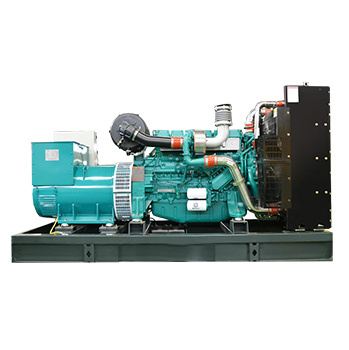
Diesel generator sets are among the most popular types of gensets used globally. They are known for their durability and efficiency, making them suitable for long-term power generation. Diesel engines have a high energy density, allowing them to run for extended periods without refueling.
**Applications**:
- **Industrial Use**: Commonly used in manufacturing plants and construction sites due to their high power output.
- **Emergency Backup**: Often employed as a backup power source in hospitals and data centers to ensure uninterrupted power supply.
**Advantages**:
- **Fuel Efficiency**: Diesel engines generally consume less fuel compared to gasoline engines.
- **Longevity**: Diesel generators tend to have a longer lifespan with proper maintenance.
2. Gas Generator Sets
Gas generator sets operate on natural gas or propane, making them a cleaner alternative to diesel generators. They are ideal for applications where environmental concerns are paramount.
**Applications**:
- **Residential Use**: Popular for home backup generators due to their lower emissions.
- **Power Plants**: Frequently used in combined heat and power (CHP) systems for efficiency.
**Advantages**:
- **Lower Emissions**: Emit fewer pollutants compared to diesel generators.
- **Quieter Operation**: Generally operate more quietly than diesel gensets.
3. Portable Generator Sets
Portable generator sets are designed for mobility, allowing users to transport them easily to various locations. They are generally smaller in power output but are highly versatile.
**Applications**:
- **Recreational Use**: Commonly used for camping, tailgating, and outdoor events.
- **Construction Sites**: Provide temporary power for tools and lighting.
**Advantages**:
- **Versatility**: Can be used in multiple settings and scenarios.
- **Ease of Use**: Simple to operate and set up.
4. Solar Generator Sets
Solar generator sets utilize solar panels to convert sunlight into electricity, making them an eco-friendly power solution. They are gaining popularity due to the growing emphasis on renewable energy sources.
**Applications**:
- **Off-Grid Living**: Ideal for homes in remote areas where traditional power sources are unavailable.
- **Emergency Backup**: Provide power during outages with minimal environmental impact.
**Advantages**:
- **Sustainability**: Harnesses renewable energy, reducing reliance on fossil fuels.
- **Low Operating Costs**: Once installed, they require minimal maintenance and no fuel costs.
5. Inverter Generator Sets
Inverter generator sets are designed to produce a stable and clean power output, making them suitable for sensitive electronic devices. They are available in both portable and stationary models.
**Applications**:
- **Home Use**: Ideal for powering electronics during power outages.
- **Outdoor Activities**: Frequently used for camping and RVing due to their lightweight design.
**Advantages**:
- **Quiet Operation**: Operate at lower noise levels compared to conventional generators.
- **Stable Power Output**: Produce a consistent sine wave, reducing the risk of damage to sensitive equipment.
Applications of Generator Sets
Generator sets have a multitude of applications across various sectors. Some of the most common include:
- **Commercial and Industrial**: Used extensively in factories, shopping malls, and office buildings to ensure continuous power supply.
- **Construction**: Provide essential power for tools, lighting, and equipment on job sites.
- **Healthcare**: Critical in hospitals and medical facilities to maintain operations during outages.
- **Telecommunication**: Ensure that communication networks remain operational regardless of power interruptions.
- **Event Management**: Supply power for concerts, festivals, and other large gatherings.
Factors to Consider When Choosing a Generator Set
Selecting the right generator set involves careful consideration of several factors:
1. Power Requirements
Determine the total wattage required to power your devices or equipment. This will help you select a generator set with the appropriate capacity.
2. Fuel Type
Consider the availability and cost of fuel in your area. Diesel is typically more efficient, while gas generators are cleaner and quieter.
3. Noise Level
If noise is a concern, opt for inverter generators or gas models that operate quietly.
4. Portability
For those needing mobility, choose a portable generator set that can be easily transported.
5. Maintenance
Evaluate the maintenance requirements of different generator sets. Some require more frequent servicing than others.
Maintenance of Generator Sets
Regular maintenance is crucial for ensuring the longevity and efficiency of your generator set. Key maintenance tasks include:
- **Oil Changes**: Regularly change the oil according to the manufacturer's recommendations.
- **Air Filter Replacement**: Clean or replace air filters to maintain optimal airflow.
- **Battery Maintenance**: Check the battery regularly to prevent issues during startup.
- **Fuel System Inspection**: Ensure fuel lines and filters are clean and functioning properly.
- **Load Testing**: Periodically conduct load tests to confirm that the generator can handle its rated capacity.
Frequently Asked Questions
1. What is the lifespan of a generator set?
The lifespan can vary significantly depending on the type and maintenance but averages between 10 to 30 years.
2. Can I use a generator set indoors?
No, generators should be operated outside in well-ventilated areas to avoid carbon monoxide poisoning.
3. How often should I run my generator set?
It’s recommended to run your generator for at least 30 minutes every month to keep it in good working condition.
4. What type of generator do I need for my home?
It depends on your power needs, but a gas or inverter generator is often suitable for residential use.
5. How do I determine the right size generator for my needs?
Calculate the total wattage of the devices you intend to power, and add a buffer for starting wattage.
Conclusion
Understanding the different types of generator sets and their applications empowers you to make informed decisions tailored to your specific power needs. Whether you require a robust diesel generator for industrial purposes or a portable option for recreational activities, knowing the characteristics and advantages of each type will guide you in selecting the right solution. Regular maintenance and understanding the key factors before purchasing will ensure that your generator set serves its purpose effectively, providing you with reliable power when you need it most.
Previous:
Practice Environmental Awareness And Return A Clean Earth
We are committed to providing you with the best products and services. If you have any questions or need more information
Please feel free to contact us
Contact Information
Mobile: +86 131 6216 7888
WhatsApp:+86 18769097586
Email: shengqikeji@sqkj888.com
Add: No. 99, Renmin South Road, Luxi New District, Heze City, Shandong Province


