
How to Size Your Generator Set for Optimal Performance: A Comprehensive Guide
Jan 27,2026
How to Size Your Generator Set for Optimal Performance Table of Contents 1. Understanding Generator Sets 2. Importance of Proper Sizing 3. Key Factors Influencing Generator Size 3.1. Power Requirements 3.2. Voltage and Frequency 3.3. Type of Load 4. Calculating Your Generator Size 4.1. Determining Total Wattage 4.2. Starting vs. Running Watts 4.3. Using Load Calculators 5. Choosing the Right Gener
How to Size Your Generator Set for Optimal Performance
Table of Contents
1. Understanding Generator Sets
2. Importance of Proper Sizing
3. Key Factors Influencing Generator Size
3.1. Power Requirements
3.2. Voltage and Frequency
3.3. Type of Load
4. Calculating Your Generator Size
4.1. Determining Total Wattage
4.2. Starting vs. Running Watts
4.3. Using Load Calculators
5. Choosing the Right Generator Type
6. Additional Considerations for Optimal Performance
6.1. Fuel Type
6.2. Noise Levels and Regulations
6.3. Portability vs. Permanence
7. Common Sizing Mistakes to Avoid
8. FAQs About Sizing Generator Sets
9. Conclusion
1. Understanding Generator Sets
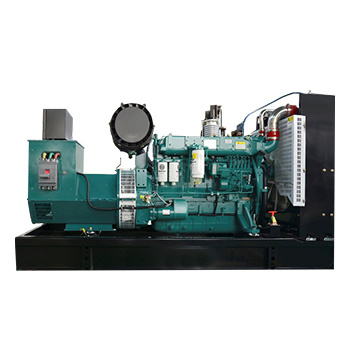
Generator sets, commonly referred to as gensets, are essential tools for providing electrical power in various settings, from residential homes to large construction sites. A generator set typically consists of an engine, an alternator, and additional components necessary for operation. Understanding how these systems work will help in selecting the right size for your needs.
2. Importance of Proper Sizing
Proper sizing of your generator set is crucial for optimal performance. An undersized generator may struggle to meet power demands, leading to overloads, reduced efficiency, and potential damage. Conversely, an oversized generator can result in unnecessary fuel consumption and increased operational costs. Striking the right balance ensures reliability and cost-effectiveness.
3. Key Factors Influencing Generator Size
When sizing a generator set, several key factors come into play.
3.1. Power Requirements
Assessing your power needs is the first step. Calculate the total wattage required for all devices and systems you intend to power. This includes lighting, appliances, and machinery. Each device has a specific wattage rating, which can usually be found on the nameplate or user manual.
3.2. Voltage and Frequency
Generators operate on specific voltage and frequency outputs, typically 120V and 60Hz in North America. Ensure that your generator can produce the required voltage for your applications. In some cases, you may need a three-phase generator for industrial use.
3.3. Type of Load
Different types of loads—resistive, inductive, or capacitive—affect how much power your generator must supply. Inductive loads, such as motors, require more power at startup than when running. Understanding these distinctions helps in choosing an appropriate generator size.
4. Calculating Your Generator Size
Calculating the proper size of your generator involves understanding your total wattage needs, distinguishing between starting and running watts, and utilizing load calculators.
4.1. Determining Total Wattage
To find your total wattage requirement, list all devices you want to power and their wattage ratings. Then, add these values together. For instance, if you have a refrigerator (600 watts), a television (200 watts), and lights (100 watts), your total wattage is 900 watts.
4.2. Starting vs. Running Watts
It's essential to differentiate between starting and running watts. Some appliances require significantly more power to start than they do to operate continuously. For example, a refrigerator may need 1200 watts to start but only 600 watts while running. Be sure to account for these spikes in power when sizing your generator.
4.3. Using Load Calculators
Many manufacturers and online resources offer load calculators that can simplify this process. Input your appliances and their wattage, and the calculator will estimate your power needs and recommend an appropriate generator size.
5. Choosing the Right Generator Type
Generators come in various types, including portable, standby, and inverter generators. Your choice will depend on your specific requirements.
- **Portable Generators**: Ideal for temporary power needs, these units are easy to transport and can power tools and appliances during outages.
- **Standby Generators**: Permanently installed and connected to your home or business, standby generators automatically kick in during an outage, providing seamless power.
- **Inverter Generators**: Known for their quiet operation and clean power output, inverter generators are perfect for sensitive electronics.
6. Additional Considerations for Optimal Performance
Beyond sizing, consider these factors to enhance generator performance.
6.1. Fuel Type
Generators can run on various fuel types, including gasoline, diesel, propane, and natural gas. Each fuel type has its benefits and drawbacks, so choose one that aligns with your availability and cost considerations.
6.2. Noise Levels and Regulations
Noise pollution is a significant factor for residential use. Check local regulations regarding noise levels for generators and opt for models designed to operate quietly.
6.3. Portability vs. Permanence
Decide whether you need a portable generator or a permanent installation. Portable generators offer flexibility for various applications, while permanent options often provide more power and convenience for whole-house backup.
7. Common Sizing Mistakes to Avoid
Many users make common mistakes when sizing their generators. Avoid these pitfalls:
- **Underestimating Power Needs**: Always calculate your total wattage accurately, including starting watts.
- **Ignoring Load Types**: Understand the nature of your loads (inductive vs. resistive) and their power requirements.
- **Neglecting Future Needs**: Consider potential future power requirements, especially if you plan to add new appliances or systems.
8. FAQs About Sizing Generator Sets
**Q1: How do I know if my generator is the right size?**
A1: Monitor its performance during use. If it frequently trips or struggles to power devices, it may be undersized.
**Q2: Can I connect multiple generators to increase power?**
A2: Yes, this is often referred to as "parallel operation." Ensure they are compatible and that the total load does not exceed the combined generator capacity.
**Q3: What should I consider regarding generator maintenance?**
A3: Regular maintenance, such as oil changes and filter replacements, is essential for optimal performance. Follow manufacturer guidelines.
**Q4: Is it safe to run appliances directly from a generator?**
A4: Always use proper transfer switches to connect a generator to your home’s electrical system for safety.
**Q5: How often should I run my generator?**
A5: Regular testing is crucial. Run your generator at least once a month for about 30 minutes to ensure it functions correctly.
9. Conclusion
Sizing your generator set accurately is essential for achieving optimal performance and reliability. By carefully assessing your power needs, understanding the factors that influence sizing, and avoiding common mistakes, you can ensure that your generator meets your demands efficiently. With the right generator set, you gain peace of mind knowing that your power needs will be met, whether at home or on the job site. Remember to consider additional factors, such as fuel type and noise levels, to enhance your generator's functionality and ensure compliance with local regulations. Ultimately, a well-sized generator set is a valuable investment in your power reliability.
Practice Environmental Awareness And Return A Clean Earth
We are committed to providing you with the best products and services. If you have any questions or need more information
Please feel free to contact us
Contact Information
Mobile: +86 131 6216 7888
WhatsApp:+86 18769097586
Email: shengqikeji@sqkj888.com
Add: No. 99, Renmin South Road, Luxi New District, Heze City, Shandong Province


