
-
-
-
Technical Support
-
The Environmental Impact of Generator Sets: What You Need to Know
Mar 10,2026
The Environmental Impact of Generator Sets: What You Need to Know Table of Contents Understanding Generator Sets Types of Generator Sets and Their Applications Key Environmental Concerns of Generator Sets Air Pollution Impacts from Generator Usage Noise Pollution Concerns with Generators Energy Efficiency and Sustainability in Generator Usage Eco-Friendly Alternati
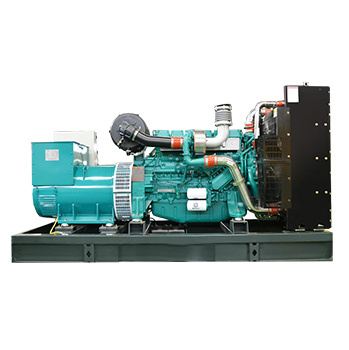
The Environmental Impact of Generator Sets: What You Need to Know
Table of Contents
- Understanding Generator Sets
- Types of Generator Sets and Their Applications
- Key Environmental Concerns of Generator Sets
- Air Pollution Impacts from Generator Usage
- Noise Pollution Concerns with Generators
- Energy Efficiency and Sustainability in Generator Usage
- Eco-Friendly Alternatives to Conventional Generators
- Best Practices to Minimize Environmental Impact
- Frequently Asked Questions
- Conclusion
Understanding Generator Sets
Generator sets, often referred to as gensets, are essential power generation systems that convert mechanical energy into electrical energy. These units are widely utilized in various sectors, including construction, healthcare, telecommunications, and residential settings, particularly where grid power is unreliable or unavailable. The growing dependence on these machines brings forth critical discussions about their environmental consequences.
Types of Generator Sets and Their Applications
There are several types of generator sets available, each tailored to meet the specific needs of different applications:
1. Diesel Generator Sets
Diesel-powered generators are among the most common types of gensets used in industrial applications. They are known for their durability and efficiency, making them a reliable choice for continuous power supply.
2. Gasoline Generator Sets
Gasoline generators are typically used in residential and light commercial applications. They are portable and easy to operate but tend to be less fuel-efficient compared to diesel units.
3. Natural Gas Generator Sets
Natural gas generators are often utilized in areas where natural gas is readily available. They produce lower emissions than diesel or gasoline generators, making them a cleaner option.
4. Renewable Energy Generators
Solar and wind-powered generators are gaining popularity due to their minimal environmental impact. While initial setup costs can be high, they offer sustainable long-term energy solutions.
Key Environmental Concerns of Generator Sets
While generator sets provide essential power, they also pose several environmental challenges. Understanding these concerns helps in making informed decisions about their use.
1. Emissions of Greenhouse Gases
Generator sets, particularly those running on fossil fuels like diesel and gasoline, emit significant amounts of **greenhouse gases (GHGs)**. Carbon dioxide (CO2), nitrogen oxides (NOx), and particulate matter are common byproducts that contribute to air pollution and climate change.
2. Fuel Consumption and Resource Depletion
The reliance on non-renewable fuels for power generation leads to resource depletion. The extraction, refining, and transportation of fossil fuels result in environmental degradation, including habitat destruction and oil spills.
3. Impact on Local Ecosystems
Generator sets can disrupt local ecosystems. Noise pollution, fuel spills, and emissions can harm wildlife and affect biodiversity, particularly in sensitive environments.
Air Pollution Impacts from Generator Usage
Air quality is significantly affected by the operation of generator sets. Understanding the specific pollutants emitted can raise awareness of their environmental impact.
1. Particulate Matter (PM)
Generators release particulate matter, which can penetrate deep into the lungs and cause serious health issues, including respiratory problems and cardiovascular diseases.
2. Nitrogen Oxides (NOx) and Sulfur Dioxide (SO2)
Both NOx and SO2 are harmful pollutants produced during combustion in generator sets. They contribute to the formation of smog and acid rain, leading to further environmental damage.
Noise Pollution Concerns with Generators
The operation of generator sets often results in significant noise pollution. This can have detrimental effects on both human health and wildlife.
1. Health Implications of Noise Pollution
Prolonged exposure to high noise levels can lead to hearing loss, sleep disturbances, and increased stress levels among humans. In industrial settings, noise pollution can also lead to reduced productivity and workplace safety concerns.
2. Effects on Wildlife
Noise pollution can interfere with wildlife communication, mating rituals, and feeding habits, potentially leading to decreased populations and biodiversity in affected areas.
Energy Efficiency and Sustainability in Generator Usage
To mitigate the environmental impact of generator sets, enhancing energy efficiency is crucial. This involves optimizing fuel consumption and adopting sustainable practices.
1. Fuel Efficiency Technologies
Modern generator sets are equipped with advanced technologies such as fuel injection systems and exhaust after-treatment devices. These innovations enhance fuel efficiency and reduce emissions.
2. Regular Maintenance Practices
Regular maintenance of generator sets is vital for optimal performance. Scheduled servicing ensures that the units operate efficiently, reducing the risk of excessive emissions and fuel waste.
Eco-Friendly Alternatives to Conventional Generators
As awareness grows about the environmental impact of traditional generator sets, eco-friendly alternatives are gaining traction.
1. Solar Generators
Solar generators harness sunlight to produce electricity, offering a renewable and sustainable energy source. They are perfect for off-grid applications and have minimal environmental impact.
2. Wind Turbines
Wind-powered generators convert wind energy into electricity, providing a clean alternative for power generation. They can be particularly effective in areas with consistent wind patterns.
3. Hybrid Systems
Hybrid systems that combine traditional generator sets with renewable energy sources (like solar or wind) can significantly reduce fuel consumption and emissions, providing a more sustainable power solution.
Best Practices to Minimize Environmental Impact
Implementing best practices can help mitigate the environmental footprint of generator sets.
1. Choose the Right Generator
Selecting a generator that is appropriate for the specific application can optimize performance and minimize emissions. Assessing power needs accurately can prevent the use of oversized generators that waste fuel.
2. Utilize Alternative Fuels
Whenever possible, opt for alternative fuels such as biodiesel, propane, or natural gas. These options tend to have lower emissions compared to traditional fossil fuels.
3. Implement Noise Reduction Strategies
Install noise barriers or soundproof enclosures to minimize noise pollution from generator sets, especially in residential or wildlife-sensitive areas.
4. Monitor and Track Emissions
Utilize emission monitoring systems to track the output from your generator set. This data can help identify inefficiencies and areas for improvement, ensuring compliance with environmental regulations.
Frequently Asked Questions
1. What are the most harmful emissions from generator sets?
The most harmful emissions from generator sets include carbon dioxide (CO2), nitrogen oxides (NOx), and particulate matter (PM), all of which contribute to air pollution and health issues.
2. How can I choose an environmentally friendly generator?
Look for generators that utilize alternative fuels, have high energy efficiency ratings, and come with advanced emission control technologies. Hybrid generators combining renewable resources with traditional fuel sources are also excellent choices.
3. What maintenance is required to reduce emissions from generator sets?
Regular maintenance should include oil changes, filter replacements, and inspections of the fuel system and exhaust components. This ensures optimal performance and reduces harmful emissions.
4. How do noise levels from generator sets affect health?
Prolonged exposure to high noise levels can lead to hearing loss, increased stress levels, and sleep disturbances. It can also impact productivity and workplace safety.
5. Are there government regulations regarding generator emissions?
Yes, many countries have established regulations governing emissions from generator sets. These regulations vary significantly based on location and the type of generator used.
Conclusion
The environmental impact of generator sets is a significant concern that cannot be overlooked. From air pollution to noise pollution, the use of these machines poses various challenges that must be addressed. By understanding the implications and adopting best practices, we can mitigate their effects and move towards more sustainable energy solutions. Embracing eco-friendly alternatives and ensuring efficient operation of generator sets are vital steps in protecting our environment for future generations. With increased awareness and proactive measures, we can harness the benefits of generator sets while minimizing their ecological footprint.
Related news
Practice Environmental Awareness And Return A Clean Earth
We are committed to providing you with the best products and services. If you have any questions or need more information
Please feel free to contact us
Contact Information
Mobile: +86 131 6216 7888
WhatsApp:+86 18769097586
Email: shengqikeji@sqkj888.com
Add: No. 99, Renmin South Road, Luxi New District, Heze City, Shandong Province


