
-
-
-
Technical Support
-
Generator Set Installation: Common Mistakes to Avoid for Optimal Performance
Apr 21,2026
Generator Set Installation: Common Mistakes to Avoid for Optimal Performance Table of Contents 1. Introduction to Generator Set Installation 2. Importance of Proper Installation 3. Common Installation Mistakes 3.1. Incorrect Sizing of Generator Sets 3.2. Poor Location Selection 3.3. Inadequate Fuel Supply Setup 3.4. Lack of Proper Ventilation 3.5. Improper
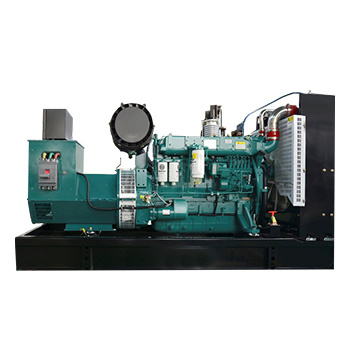
Generator Set Installation: Common Mistakes to Avoid for Optimal Performance
Table of Contents
- 1. Introduction to Generator Set Installation
- 2. Importance of Proper Installation
- 3. Common Installation Mistakes
- 3.1. Incorrect Sizing of Generator Sets
- 3.2. Poor Location Selection
- 3.3. Inadequate Fuel Supply Setup
- 3.4. Lack of Proper Ventilation
- 3.5. Improper Electrical Connections
- 3.6. Neglecting Grounding Requirements
- 3.7. Ignoring Regular Maintenance
- 4. Best Practices for Successful Installation
- 5. When to Seek Expert Assistance
- 6. Conclusion
- 7. Frequently Asked Questions
1. Introduction to Generator Set Installation
Generator sets, commonly known as generators, are essential in providing backup power in case of electrical outages. Their installation, however, is not as straightforward as plugging in a device. Proper installation is crucial to ensure that the generator operates efficiently, meets safety standards, and fulfills the power requirements of your home or facility. In this article, we will delve into the common mistakes made during generator set installation and offer guidance on how to avoid them.
2. Importance of Proper Installation
Understanding the significance of accurate generator installation cannot be overstated. Improperly installed generator sets can lead to a myriad of issues, including:
- **Reduced Performance**: A generator that is not properly sized or installed may not deliver the required power output.
- **Safety Hazards**: Faulty installations can lead to electrical fires, carbon monoxide poisoning, and other dangerous situations.
- **Increased Maintenance Costs**: Mistakes during installation often result in additional repairs and maintenance down the line.
- **Shortened Lifespan**: Generators that are not correctly set up may wear out faster than those that have been installed properly.
With these consequences in mind, it is essential to pay close attention to the installation process.
3. Common Installation Mistakes
Now, let's explore some of the most frequent errors made during the installation of generator sets.
3.1. Incorrect Sizing of Generator Sets
One of the primary mistakes in generator installation is selecting a generator set that is either too small or too large for the intended application. Undersized generators may struggle to handle the load, while oversized units can lead to inefficiencies and increased fuel consumption.
**To avoid this mistake**, conduct a thorough assessment of your power needs by considering your electrical load requirements. Use load calculators or consult with professionals to determine the right generator size that fits your specifications.
3.2. Poor Location Selection
The placement of the generator plays a vital role in its operational efficiency. Installing a generator too close to your home or in an area with limited access can create noise and safety issues. Furthermore, inadequate drainage can lead to water damage during heavy rains.
**Best Practice**: Choose a location that is at least 5 feet away from windows, doors, and vents while ensuring it is on a stable, dry surface. Adequate space for maintenance and emergency response access is also essential.
3.3. Inadequate Fuel Supply Setup
Generators require a consistent fuel supply for optimal performance. A common mistake is failing to install proper fuel lines or relying on an insufficient fuel tank. This can lead to fuel shortages during peak demand, causing the generator to shut down unexpectedly.
**Solution**: Ensure that your fuel supply system is robust and can handle the generator's consumption rate. Regularly check fuel levels and lines for leaks or blockages.
3.4. Lack of Proper Ventilation
Generators produce heat and exhaust fumes during operation, making proper ventilation a critical aspect of installation. Installing a generator in a confined space without adequate airflow can lead to overheating and dangerous exhaust buildup.
**Recommendation**: Install your generator in a well-ventilated area, or consider adding ventilation systems like exhaust fans to maintain air circulation.
3.5. Improper Electrical Connections
Electrical connections are fundamental to the safe operation of generator sets. Connecting wires incorrectly can lead to short circuits or even electrocution.
**Preventive Measure**: Always refer to the manufacturer's guidelines for electrical connections and, if necessary, consult with a licensed electrician to ensure that wires are correctly installed and insulated.
3.6. Neglecting Grounding Requirements
Grounding is essential for all electrical installations, including generator sets. Failure to properly ground the generator can result in electrical shocks and equipment damage.
**How to Ground**: Install a grounding rod and connect it to the generator according to local electrical codes, ensuring that the grounding is secure and effective.
3.7. Ignoring Regular Maintenance
After installation, it is easy to overlook the importance of regular maintenance. Neglecting routine checks can lead to decreased performance, increased repair costs, and a higher likelihood of failures.
**Action Plan**: Create a maintenance schedule that includes routine inspections, oil changes, and filter replacements to keep your generator running smoothly.
4. Best Practices for Successful Installation
Implementing best practices can significantly enhance the performance and longevity of your generator set. Here are some tips to consider:
- **Engage Professionals**: Whenever possible, hire certified professionals for installation. Their expertise will minimize the risk of errors.
- **Follow Manufacturer's Instructions**: Always adhere to the manufacturer's guidelines for installation and operation.
- **Document Everything**: Keep a detailed record of the installation process, including wiring diagrams, permits, and maintenance schedules.
- **Training and Awareness**: Ensure that all users understand how to operate the generator safely and recognize warning signs of malfunction.
5. When to Seek Expert Assistance
While some individuals may feel confident in their ability to install a generator set, certain situations warrant professional intervention. If you encounter complexities such as local building codes, specialized electrical configurations, or unfamiliarity with safety protocols, it is wise to enlist the help of skilled technicians. Their experience can save time, money, and protect your investment.
6. Conclusion
Correctly installing a generator set is a multifaceted process that requires careful planning and execution. By being aware of common mistakes and adhering to best practices, you can ensure that your generator operates efficiently and safely. A well-installed generator not only provides reliable power when needed but also offers peace of mind. Take the necessary steps to avoid errors, and your generator will serve you well for years to come.
7. Frequently Asked Questions
1. What is the most common mistake made during generator installation?
The most common mistake is incorrect sizing of the generator, which can lead to inadequate power supply or inefficiencies.
2. How can I determine the right size generator for my needs?
Conduct a thorough assessment of your electrical load requirements, considering essential appliances and equipment. Load calculators or professional consultations can assist in making an accurate determination.
3. Is it necessary to hire a professional for generator installation?
While some may attempt a DIY installation, hiring a professional is recommended to ensure compliance with safety standards, local codes, and proper setup.
4. What regular maintenance does a generator require?
Routine maintenance includes oil changes, filter replacements, battery checks, and overall inspections to ensure optimal performance.
5. Can I install a generator indoors?
No, generators should never be installed indoors due to the risk of carbon monoxide poisoning. Always place them in well-ventilated outdoor areas.
Related news
Practice Environmental Awareness And Return A Clean Earth
We are committed to providing you with the best products and services. If you have any questions or need more information
Please feel free to contact us
Contact Information
Mobile: +86 131 6216 7888
WhatsApp:+86 18769097586
Email: shengqikeji@sqkj888.com
Add: No. 99, Renmin South Road, Luxi New District, Heze City, Shandong Province


