
-
-
-
Technical Support
-
The Top Features to Look for in a Mobile Power Generator
Jul 01,2026
The Top Features to Look for in a Mobile Power Generator When it comes to generating power on the go, a mobile power generator is an indispensable tool. Whether you're camping, working on a construction site, or facing an emergency power outage, having a reliable generator can make all the difference. But with so many options available, how do you choose the right one? In this article, we will exp
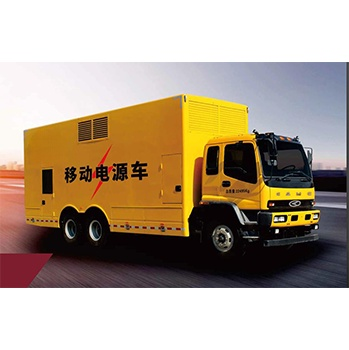
The Top Features to Look for in a Mobile Power Generator
When it comes to generating power on the go, a mobile power generator is an indispensable tool. Whether you're camping, working on a construction site, or facing an emergency power outage, having a reliable generator can make all the difference. But with so many options available, how do you choose the right one? In this article, we will explore the **top features to look for in a mobile power generator** to help you make an informed decision.
Table of Contents
- 1. Power Output: Understanding Your Needs
- 2. Fuel Type: Gasoline, Diesel, or Propane?
- 3. Portability: Size and Weight Considerations
- 4. Runtime: How Long Can It Run?
- 5. Noise Level: Keeping It Quiet
- 6. Starting Method: Electric vs. Manual
- 7. Safety Features: Protect Yourself and Your Equipment
- 8. Price and Warranty: Balancing Cost and Quality
- Conclusion
- FAQs
1. Power Output: Understanding Your Needs
When selecting a mobile power generator, **power output** is one of the most critical factors. The generator's wattage rating indicates how much power it can supply. It's essential to assess your power needs by considering the devices you plan to run. For instance, if you're using it for simple tasks like charging a phone or running small lights, a generator with a lower wattage will suffice. However, for more demanding appliances such as refrigerators or power tools, you’ll need a generator with a higher wattage.
To make the best decision, calculate the **starting wattage** (the initial power required) and the **running wattage** (the power needed to keep the devices running). A generator should ideally be able to handle both without any issues.
2. Fuel Type: Gasoline, Diesel, or Propane?
The **fuel type** of a mobile power generator significantly impacts its performance and convenience. Generators typically use gasoline, diesel, or propane.
- **Gasoline generators** are widely available and usually less expensive. However, they have a limited shelf life and can be challenging to store safely.
- **Diesel generators** are known for their durability and efficiency, making them ideal for heavy-duty usage. They usually provide better fuel economy and longer runtimes but come at a higher initial cost.
- **Propane generators** offer clean-burning fuel with a longer shelf life, making them suitable for emergency situations. They are generally quieter but may require additional maintenance.
When choosing a fuel type, consider availability, storage, and maintenance requirements based on your typical usage scenarios.
3. Portability: Size and Weight Considerations
Portability is a vital feature for any mobile power generator. If you plan to transport your generator frequently, consider its **size and weight**. Look for generators equipped with wheels and handles for easy maneuverability. Compact models can be lighter and easier to carry, but they may compromise on power output or runtime.
Evaluate your specific needs: if you're using it for camping, a lightweight model may be sufficient. For job sites, a more robust option that balances weight and power might be necessary.
4. Runtime: How Long Can It Run?
**Runtime** refers to how long a generator can operate on a full tank of fuel. This feature is critical, especially in emergencies or during extended outdoor activities. Look for a generator that can provide sufficient runtime based on your power needs.
Most manufacturers provide information on runtime at a specific load (e.g., half-load or full-load). An ideal generator should offer flexibility, allowing you to choose a model that can last for several hours without needing a refill.
5. Noise Level: Keeping It Quiet
Noise level is an often-overlooked feature that can significantly affect your experience with a mobile power generator. A generator that operates quietly is especially important in residential areas, during camping, or at outdoor events.
When researching, look for **decibel ratings** (dB) provided by manufacturers. Generators that operate below 60 dB are generally considered quiet. Some models come with noise-reduction technology or enclosed designs that help minimize sound output.
6. Starting Method: Electric vs. Manual
The **starting method** of a generator can greatly influence convenience. There are two primary types of starting methods: electric start and manual recoil start.
- **Electric start** generators feature a battery-powered ignition system that allows you to start the generator with the push of a button. This feature is particularly beneficial in cold weather or for those who may have difficulty with manual starting methods.
- **Manual recoil start** requires you to pull a cord to start the generator, which can be less convenient but generally simpler and requires less maintenance.
Consider your personal preferences and usage situations when choosing your starting method.
7. Safety Features: Protect Yourself and Your Equipment
Safety should always be a top priority when operating any electrical equipment. Look for mobile power generators equipped with essential **safety features** to protect both you and your devices.
Key safety features to consider include:
- **Overload protection:** This feature shuts down the generator if it becomes overloaded, preventing damage to both the generator and connected devices.
- **Low oil shutdown:** This automatically turns off the generator when oil levels are low, protecting the engine from damage.
- **Ground fault circuit interrupter (GFCI):** This prevents electrical shock by shutting off power when it detects an imbalance, making it crucial for outdoor and wet applications.
Investing in a generator with robust safety features ensures peace of mind during operation.
8. Price and Warranty: Balancing Cost and Quality
When it comes to choosing a mobile power generator, price and warranty are crucial factors. While it may be tempting to opt for the cheapest model, consider the long-term investment in quality and reliability.
Higher-quality generators may come with a higher price tag, but they often offer better performance, longer lifespans, and more favorable warranties. A good warranty indicates the manufacturer's confidence in the product and can provide valuable protection against defects or issues.
Before making a purchase, compare prices across different brands and models. Don't hesitate to read reviews to gauge customer satisfaction and performance.
Conclusion
Selecting the right mobile power generator involves careful consideration of various features, including power output, fuel type, portability, runtime, noise level, starting method, safety features, and price. By understanding your specific needs and evaluating each generator based on these criteria, you can make an informed decision that ensures you have a reliable power source whenever you need it. Whether for camping, construction, or emergency situations, the right generator can provide peace of mind and the power you need to keep your devices running.
FAQs
1. What size generator do I need for my home?
The size of the generator you need depends on the total wattage of the appliances you intend to run simultaneously. Calculate both starting and running wattage to determine the appropriate generator size.
2. How long can a mobile power generator run on a full tank?
The runtime of a generator depends on its size and fuel type. Many portable generators can run between 8 to 12 hours on a full tank at half-load.
3. Are propane generators better than gasoline generators?
Propane generators offer longer shelf life and cleaner burning. However, gasoline generators are often more accessible and have a lower initial cost. The best choice depends on your specific needs and availability.
4. How do I maintain my mobile power generator?
Regular maintenance includes checking the oil level, replacing oil, cleaning or replacing air filters, and inspecting spark plugs. Always refer to the manufacturer's guidelines for specific maintenance recommendations.
5. Can I use a mobile power generator indoors?
No, it is dangerous to use a generator indoors due to the risk of carbon monoxide poisoning. Always operate generators outdoors in a well-ventilated area away from windows and doors.
Previous:
Practice Environmental Awareness And Return A Clean Earth
We are committed to providing you with the best products and services. If you have any questions or need more information
Please feel free to contact us
Contact Information
Mobile: +86 131 6216 7888
WhatsApp:+86 18769097586
Email: shengqikeji@sqkj888.com
Add: No. 99, Renmin South Road, Luxi New District, Heze City, Shandong Province


