
-
-
-
Technical Support
-
Generator Set Safety: Best Practices for Safe Operation and Maintenance
Jul 15,2026
Generator Set Safety: Best Practices for Safe Operation and Maintenance Table of Contents 1. Introduction to Generator Set Safety 2. Understanding Generator Sets and Their Components 3. Essential Safety Practices for Generator Operation 4. Importance of Personal Protective Equipment (PPE) 5. Regular Maintenance Procedures for Generator Sets 6. Emergency Protocols for S
Generator Set Safety: Best Practices for Safe Operation and Maintenance
Table of Contents
- 1. Introduction to Generator Set Safety
- 2. Understanding Generator Sets and Their Components
- 3. Essential Safety Practices for Generator Operation
- 4. Importance of Personal Protective Equipment (PPE)
- 5. Regular Maintenance Procedures for Generator Sets
- 6. Emergency Protocols for Safe Generator Operation
- 7. Environmental Considerations for Generator Set Safety
- 8. Training and Certification for Safe Generator Operation
- 9. Frequently Asked Questions about Generator Set Safety
- 10. Conclusion
1. Introduction to Generator Set Safety
Generator sets, commonly referred to as gensets, are critical for providing backup power in various settings, from residential homes to large industrial operations. However, operating these machines comes with its own set of risks. Understanding and implementing **best practices for generator set safety** is crucial for minimizing hazards and ensuring safe operation. This article outlines essential guidelines that operators should follow to promote safe use and maintenance of generator sets.
2. Understanding Generator Sets and Their Components
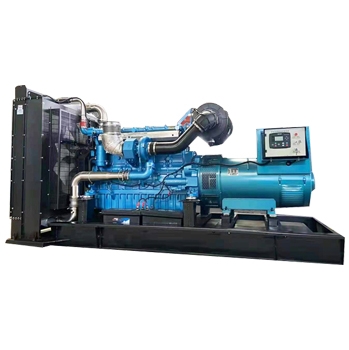
Before delving into safety practices, it is essential to understand what generator sets are and how they function. A generator set typically consists of an engine, an alternator, a fuel system, a cooling system, an exhaust system, and a control panel. Each component plays a significant role in the overall operation and performance of the genset.
- **Engine**: The engine serves as the powerhouse, converting fuel into mechanical energy. It is essential to choose the right type of engine based on the intended application.
- **Alternator**: This component converts mechanical energy from the engine into electrical energy, which is then supplied to electrical systems.
- **Fuel System**: This includes tanks, pipes, and filters that supply fuel to the engine. Proper management of the fuel system is vital for safety.
- **Cooling System**: Ensures that the engine operates at optimal temperatures, preventing overheating and potential failures.
- **Exhaust System**: Manages emissions produced by the engine, minimizing harmful pollutants released into the environment.
- **Control Panel**: The interface for monitoring and controlling the generator’s performance, including voltage, frequency, and operational status.
3. Essential Safety Practices for Generator Operation
Ensuring safety when operating generator sets requires a combination of awareness, best practices, and adherence to guidelines. Here are crucial safety practices to consider:
3.1 Proper Placement of Generator Sets
Positioning the generator correctly is paramount. Ensure that it is placed outdoors in a well-ventilated area to prevent carbon monoxide buildup. Make sure the generator is not located near windows, vents, or other openings to avoid inhalation of exhaust fumes.
3.2 Avoiding Overloading
Never overload a generator set. Always check the manufacturer's guidelines for the maximum load capacity. Overloading can lead to overheating and potentially damaging the generator.
3.3 Fuel Safety and Storage
Store fuel in approved containers away from the generator and any potential ignition sources. Ensure that refueling is done with the engine off and cool, and do not spill fuel on the generator or surrounding area.
3.4 Regular Inspection and Testing
Conduct frequent inspections and performance tests on the generator set. Check for leaks, frayed wires, and other visible issues. Testing the generator periodically ensures it is ready when needed.
4. Importance of Personal Protective Equipment (PPE)
Maintaining a safe working environment while operating generator sets involves using proper personal protective equipment (PPE). Operators should wear:
- **Safety glasses**: To protect eyes from debris and potential injury.
- **Gloves**: To prevent burns and provide a better grip when handling equipment.
- **Ear protection**: To guard against noise-induced hearing loss, especially in high-decibel environments.
- **Steel-toed boots**: To protect feet from heavy equipment and sharp objects.
Using PPE significantly reduces the risk of injuries and promotes a safer working atmosphere.
5. Regular Maintenance Procedures for Generator Sets
Routine maintenance is vital for ensuring the longevity and reliability of generator sets. Here are key maintenance procedures to follow:
5.1 Scheduled Oil Changes
Regularly changing the oil is essential for proper engine function. Dirty oil can lead to engine wear and decreased performance. Follow the manufacturer's recommendations for oil change intervals.
5.2 Air Filter Inspection
Regularly check and replace the air filter as needed. A clean air filter ensures optimal engine performance and efficiency.
5.4 Battery Maintenance
Inspect the battery regularly for corrosion and ensure terminals are clean and tight. A fully charged battery is crucial for reliable starting.
5.5 Cooling System Checks
Monitor coolant levels and check for leaks. Overheating can cause severe engine damage. Ensure that the radiator and hoses are in good condition.
6. Emergency Protocols for Safe Generator Operation
Despite best efforts, emergencies may occur. Having clear emergency protocols is essential for minimizing risks.
6.1 Emergency Shutoff Procedures
Familiarize all operators with emergency shutoff procedures. Know the location of the emergency stop button and how to use it effectively.
6.2 Carbon Monoxide Poisoning Awareness
Be aware of the signs of carbon monoxide poisoning, such as headache, dizziness, and nausea. Install carbon monoxide detectors in nearby areas to alert operators of any dangers.
6.3 Fire Safety Measures
Ensure that fire extinguishers are readily available and staff are trained on their use. Regularly inspect and maintain extinguishers to ensure they are operational.
7. Environmental Considerations for Generator Set Safety
Operating generator sets can have environmental implications. It is essential to consider the following:
7.1 Emissions Compliance
Stay informed about local emissions regulations. Ensure that the generator meets emissions standards to minimize environmental impact.
7.2 Fuel Spill Management
Implement measures to prevent and manage fuel spills. Have spill kits readily available and ensure staff is trained on how to use them.
8. Training and Certification for Safe Generator Operation
Proper training and certification for personnel operating generator sets are crucial for safety.
8.1 Training Programs
Enroll operators in training programs that cover the safe operation, maintenance, and emergency procedures for generator sets. Hands-on training enhances understanding and preparedness.
8.2 Certification Requirements
Check local regulations for any certification requirements for operators. Compliance with these regulations not only ensures safety but also enhances credibility in operations.
9. Frequently Asked Questions about Generator Set Safety
9.1 What is the most common hazard associated with generator sets?
The most common hazard is carbon monoxide poisoning, which can occur if the generator is used in enclosed spaces without proper ventilation.
9.2 How often should I perform maintenance on my generator set?
Maintenance should be performed at least once a month, with more frequent checks during heavy usage periods.
9.3 Can I use a generator indoors?
No, generators should only be used outdoors in a well-ventilated area to prevent carbon monoxide buildup.
9.4 What should I do if I smell gas near my generator?
Immediately shut off the generator, evacuate the area, and contact emergency services for assistance.
9.5 Are there specific safety regulations for operating generator sets?
Yes, regulations may vary by location. It is essential to familiarize yourself with local safety standards and guidelines for generator operation.
10. Conclusion
Implementing **best practices for generator set safety** is essential for ensuring the protection of personnel and the environment. By understanding the components of generator sets, adhering to safety practices, using appropriate personal protective equipment, and following regular maintenance routines, operators can significantly reduce risks associated with generator operation. Additionally, staying informed about emergency protocols and environmental considerations further enhances safety. Training and certification should not be overlooked as they provide operators with the knowledge and skills to operate generator sets effectively and safely. By prioritizing safety, we can ensure that generator sets remain reliable sources of power in any situation.
Related news
Practice Environmental Awareness And Return A Clean Earth
We are committed to providing you with the best products and services. If you have any questions or need more information
Please feel free to contact us
Contact Information
Mobile: +86 131 6216 7888
WhatsApp:+86 18769097586
Email: shengqikeji@sqkj888.com
Add: No. 99, Renmin South Road, Luxi New District, Heze City, Shandong Province


